

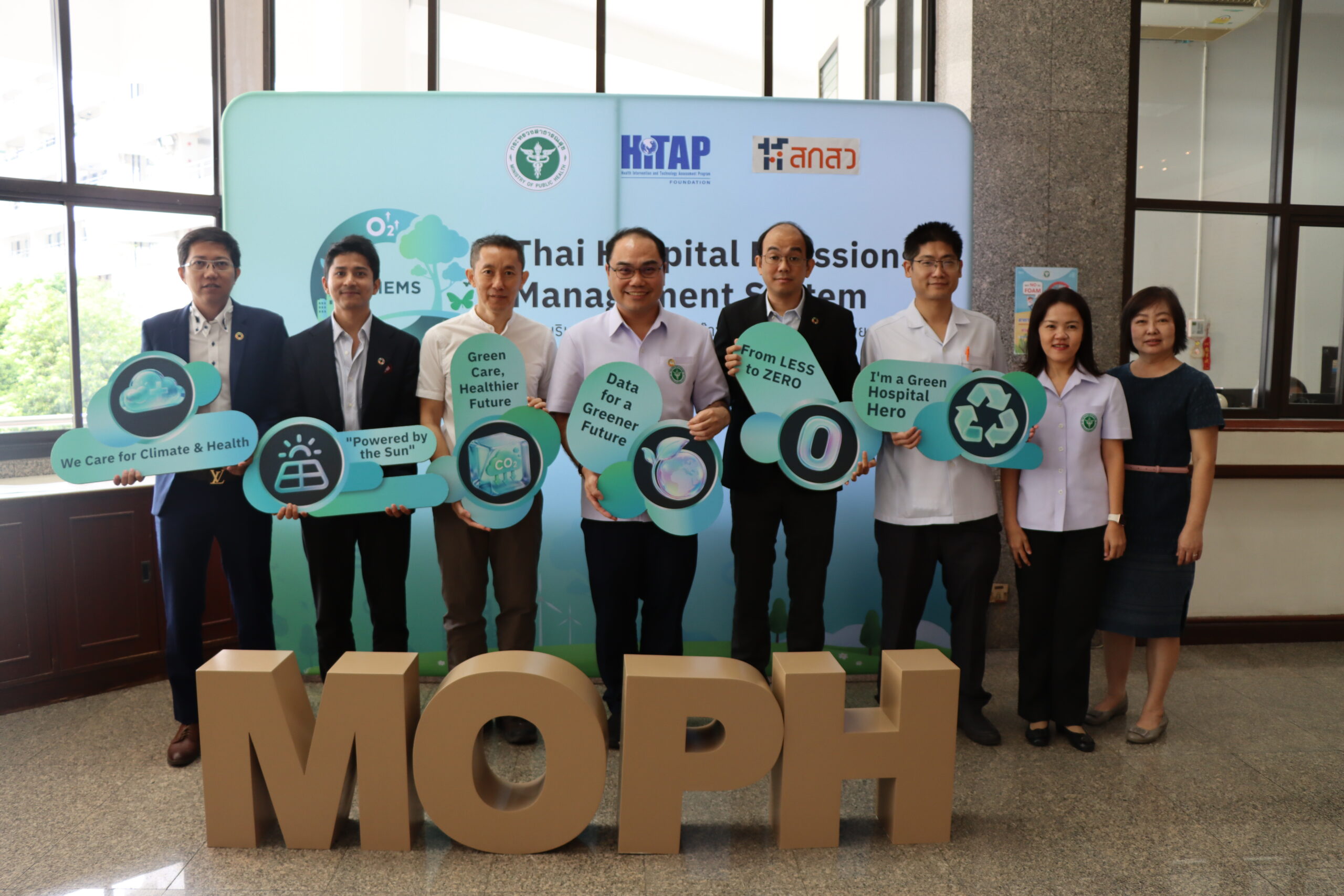


October 24, 2025 – At the Office of the Permanent Secretary, Ministry of Public Health (MoPH), the Environmental Economics Unit (E2U) of the Health Intervention and Technology Assessment Program Foundation (HITAP) participated in "The MoPH Greenhouse Gas Reduction Promotion Policy Announcement Ceremony and Thai Hospital Emissions Management System (THEMS) Training Program", in collaboration with the Office of the Permanent Secretary and the Thailand Greenhouse Gas Management Organization (TGO).
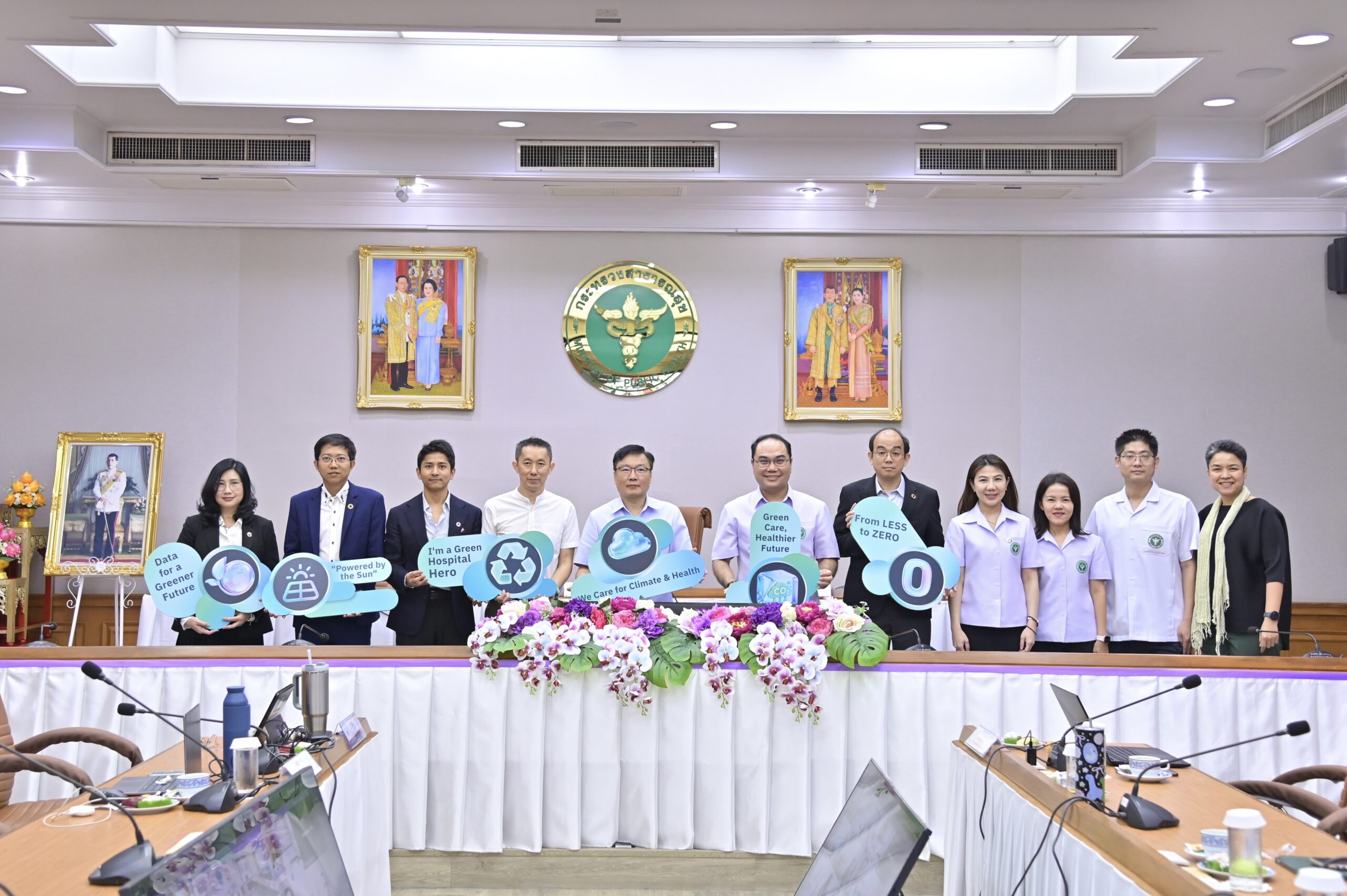
The MoPH Greenhouse Gas Reduction Promotion Policy Announcement Ceremony
The event was held to officially announce and delegate the greenhouse gas (GHG) reduction promotion policy, systematically drive the Smart Energy and Climate Action (SECA) policy in healthcare facilities nationwide, and strengthen the capacity of hospitals to efficiently manage environmental data using THEMS, developed by HITAP in collaboration with the Health Administration Division (HAD) and is funded by the Thailand Science Research and Innovation (TSRI).
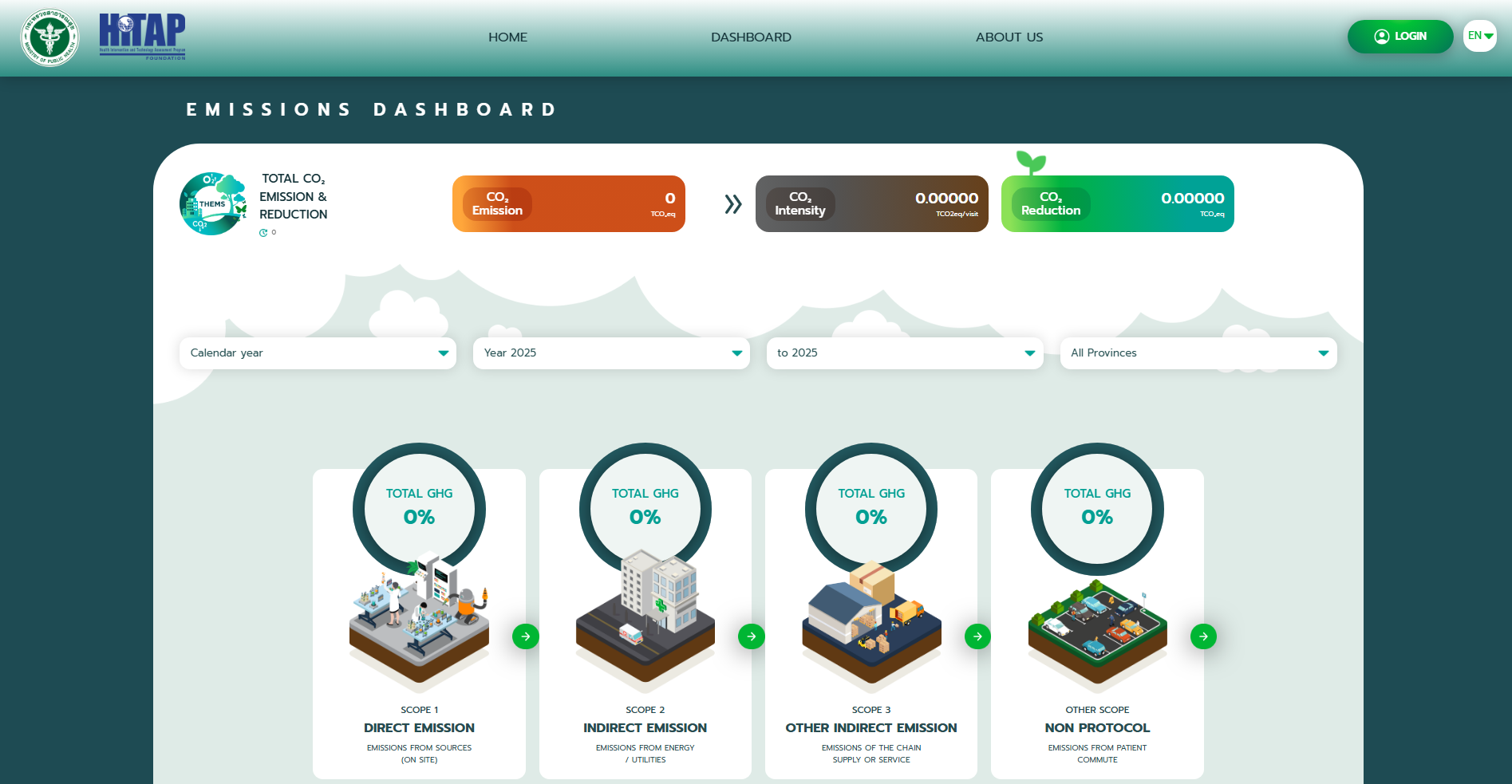
THEMS, developed by HITAP and HAD, funded by TSRI
The event officially launched THEMS, a tool designed to standardize the planning and monitoring of hospitals’ GHG reduction efforts. The system can display comprehensive GHG emission data for hospitals in Thailand across all three scopes: direct emissions, indirect emissions, and other indirect emissions, including non-protocol as well. This enables hospitals to view their overall GHG emissions in real-time and use this data for continuous GHG reduction planning.
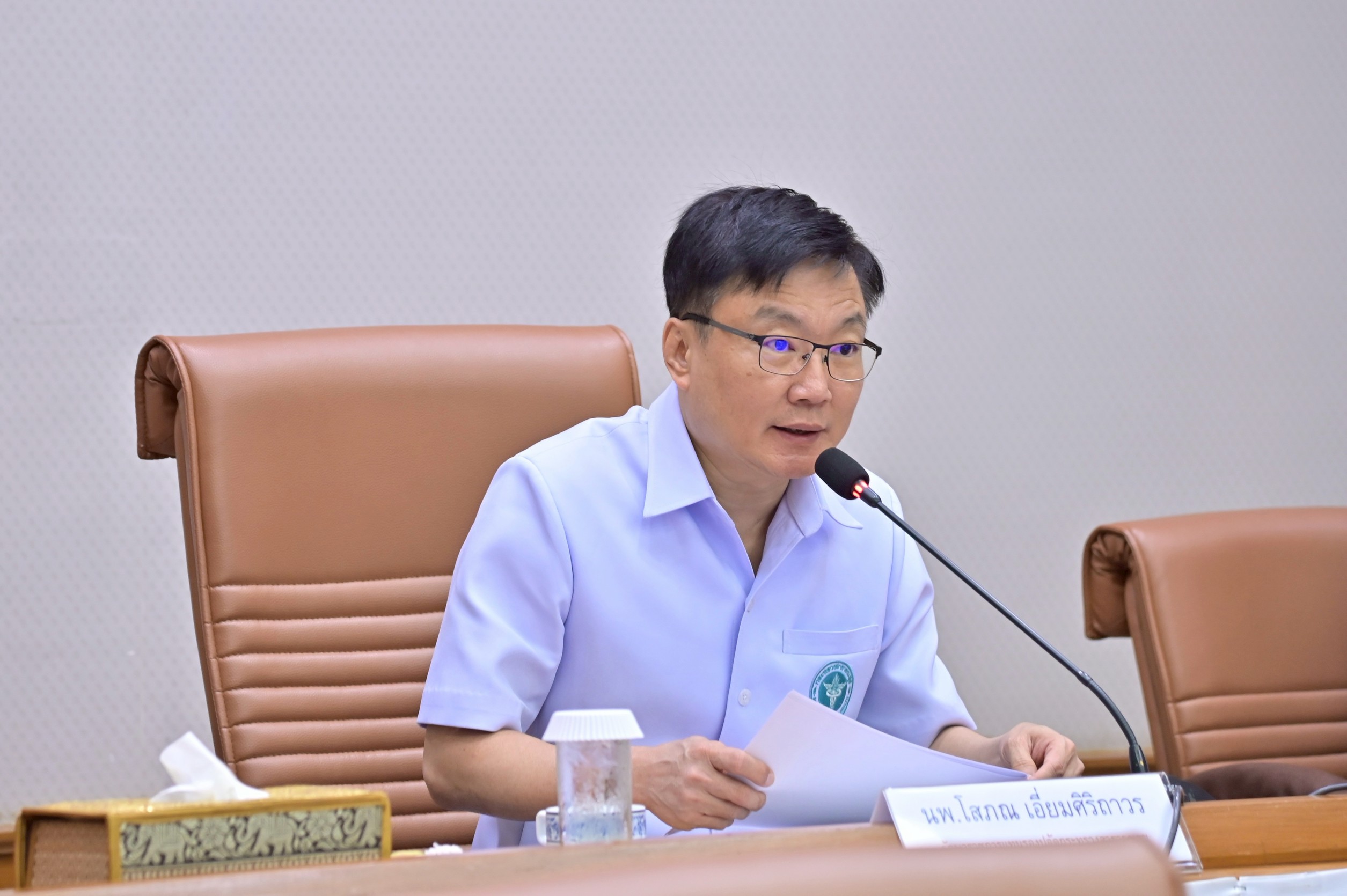
Dr.Sophon Iamsirithavorn, Acting Deputy Permanent Secretary of the MoPH
Dr.Sophon Iamsirithavorn, Acting Deputy Permanent Secretary of the MoPH, presided over the opening ceremony on behalf of the Permanent Secretary and delivered the ministry’s GHG reduction policy to drive the goals of carbon neutrality and net zero.
“The Ministry of Public Health aims to improve people’s quality of life while creating an environmentally friendly healthcare system to reduce the impact of climate change. We therefore announce our policy to reduce greenhouse gas emissions, aiming for net-zero emissions, promoting reductions in all processes, and offsetting the remaining emissions through various initiatives,” he stated.
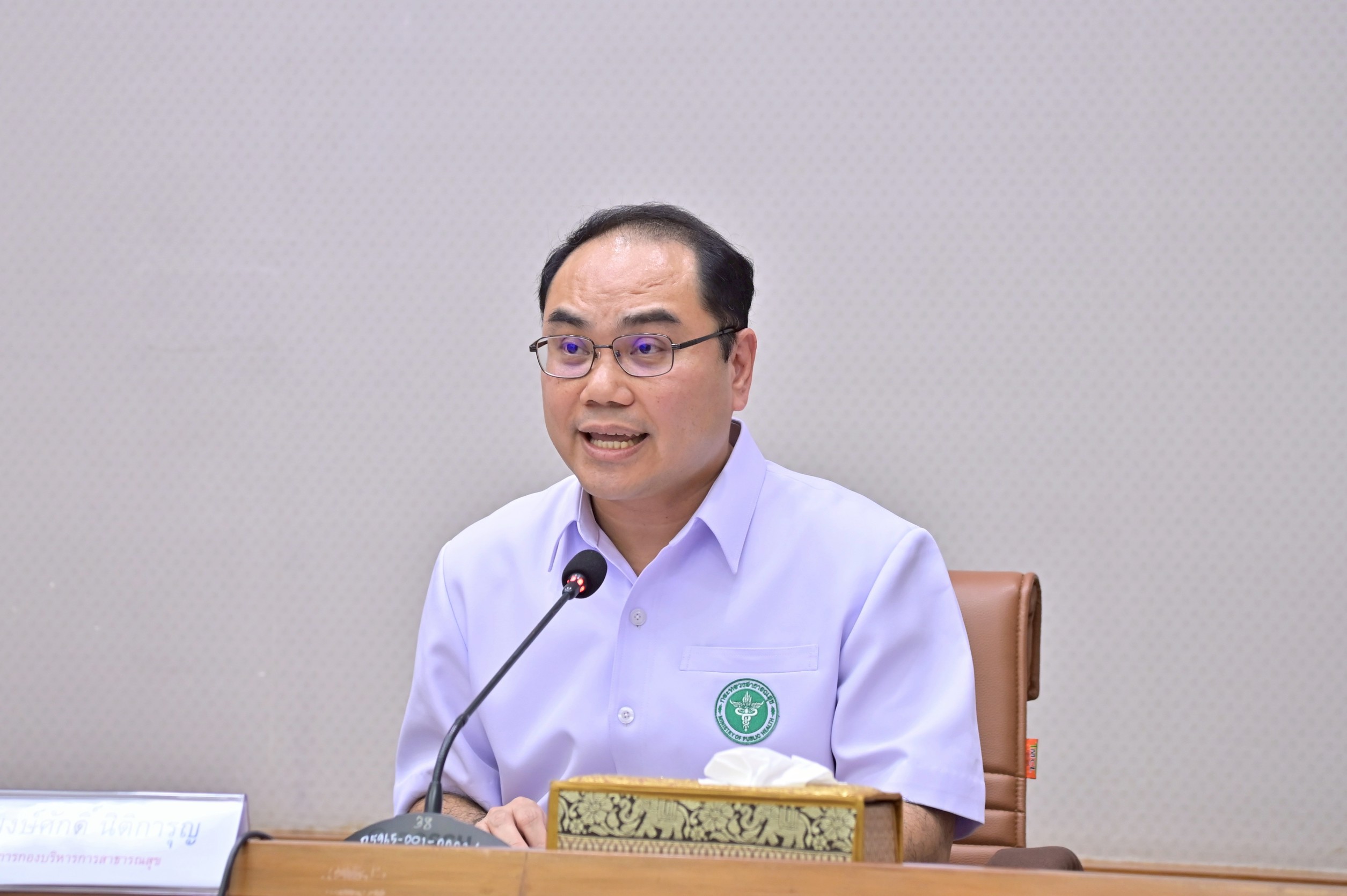
Dr.Pongsak Nitikarun, Director of HAD
Dr.Pongsak Nitikarun, Director of HAD, emphasized the importance of the policy, which aims to reduce GHG emissions in Thailand’s public health sector by at least 80,000 tons of CO2-equivalent per year, particularly through promoting solar rooftop system installation.
Currently, over 1,644 public health facilities have installed solar rooftops, generating more than 115,938.73 kW of capacity and producing over 169 million units of electricity per year—saving more than 617 million baht annually and significantly reducing emissions.
The policy encourages hospitals under the MoPH to participate in the Low Emission Support Scheme (LESS) and report data through the THEMS, with a target of 904 hospitals nationwide registering, recording data, and monitoring their own GHG emissions systematically.
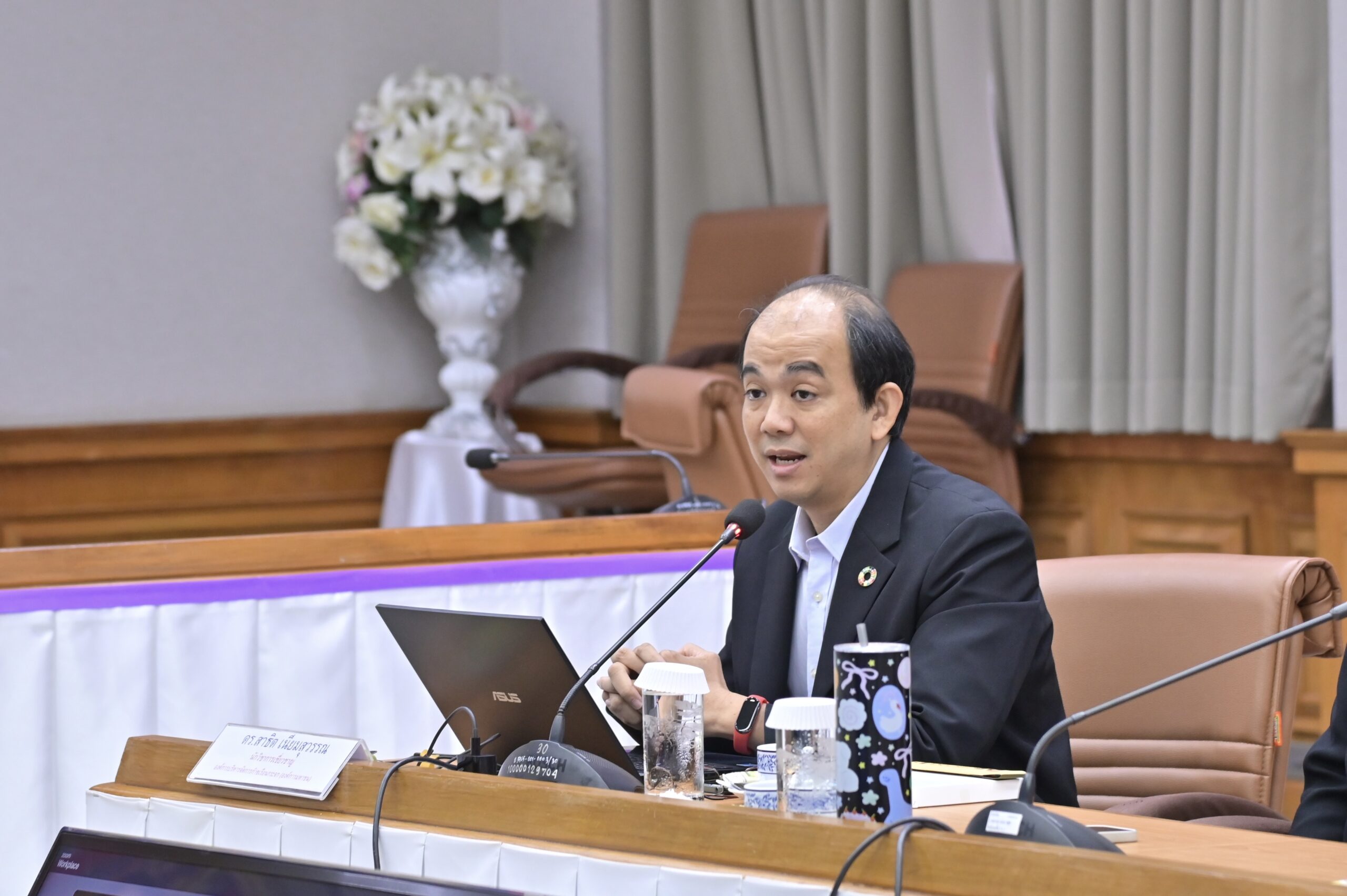
Dr.Sathit Niamsuwan, the Carbon Credit Certification Office, TGO.
Dr.Sathit Niamsuwan, from the Carbon Credit Certification Office, TGO, presented the implementation approach of LESS, which features flexibility: activities must be conducted continuously for at least 180 days with no minimum GHG reduction requirements, making it convenient for hospitals to begin environmental initiatives and report their organizational emission reductions, with certificates of merit awarded upon certification.
Ban Tak Hospital, Tak, was presented as a successful case, having achieved substantial GHG emission reductions through solar rooftop electricity generation—producing 862 MWh of clean energy and saving approximately 3.7 million baht since implementation.
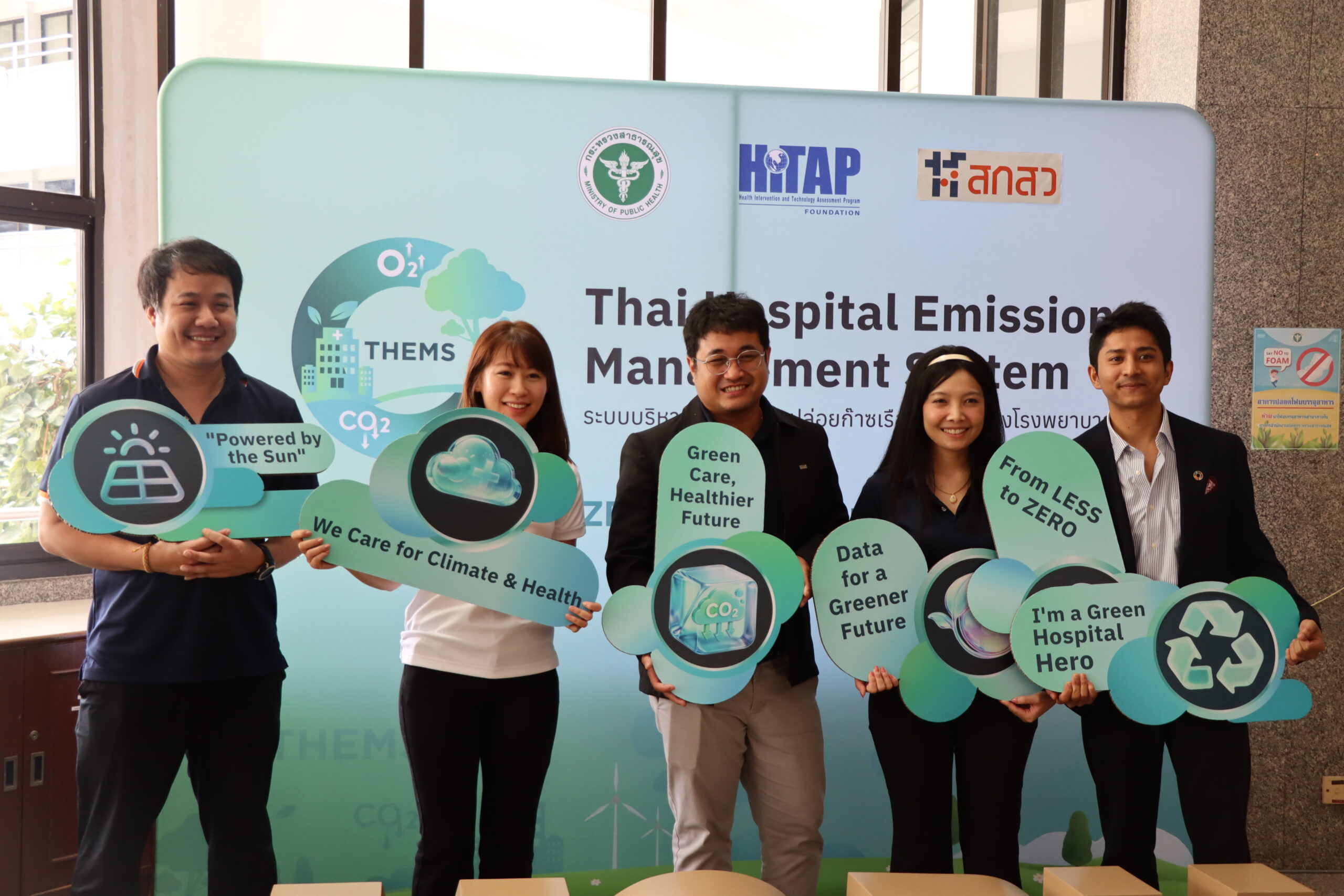
The E2U team, HITAP
Driving this policy with the THEMS not only reduces environmental impact but also directly benefits public health facilities by supporting their transition toward greener operations. It establishes a national standard for carbon reporting in hospitals and increases opportunities for environmental certification at the ministerial and governmental levels.
THEMS serves as a key mechanism for driving the SECA policy and marks an important milestone for Thailand’s public health sector toward achieving national goals: carbon neutrality by 2050 and net zero emissions by 2065, contributing to an environmentally responsible and sustainable health system.
Hospitals under the MoPH, as well as the non-MoPH and health facilities interested in joining, can now register and access THEMS at: https://thems.moph.go.th/.