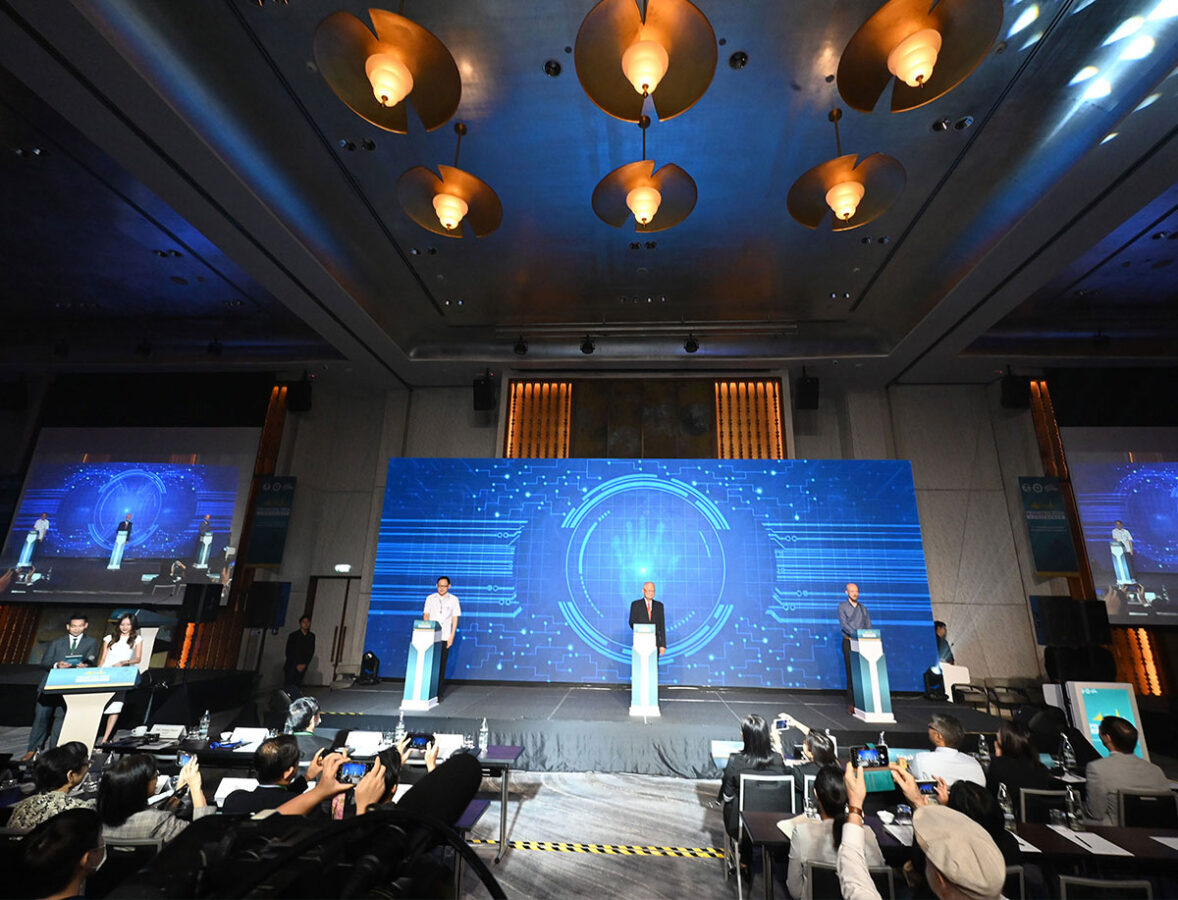

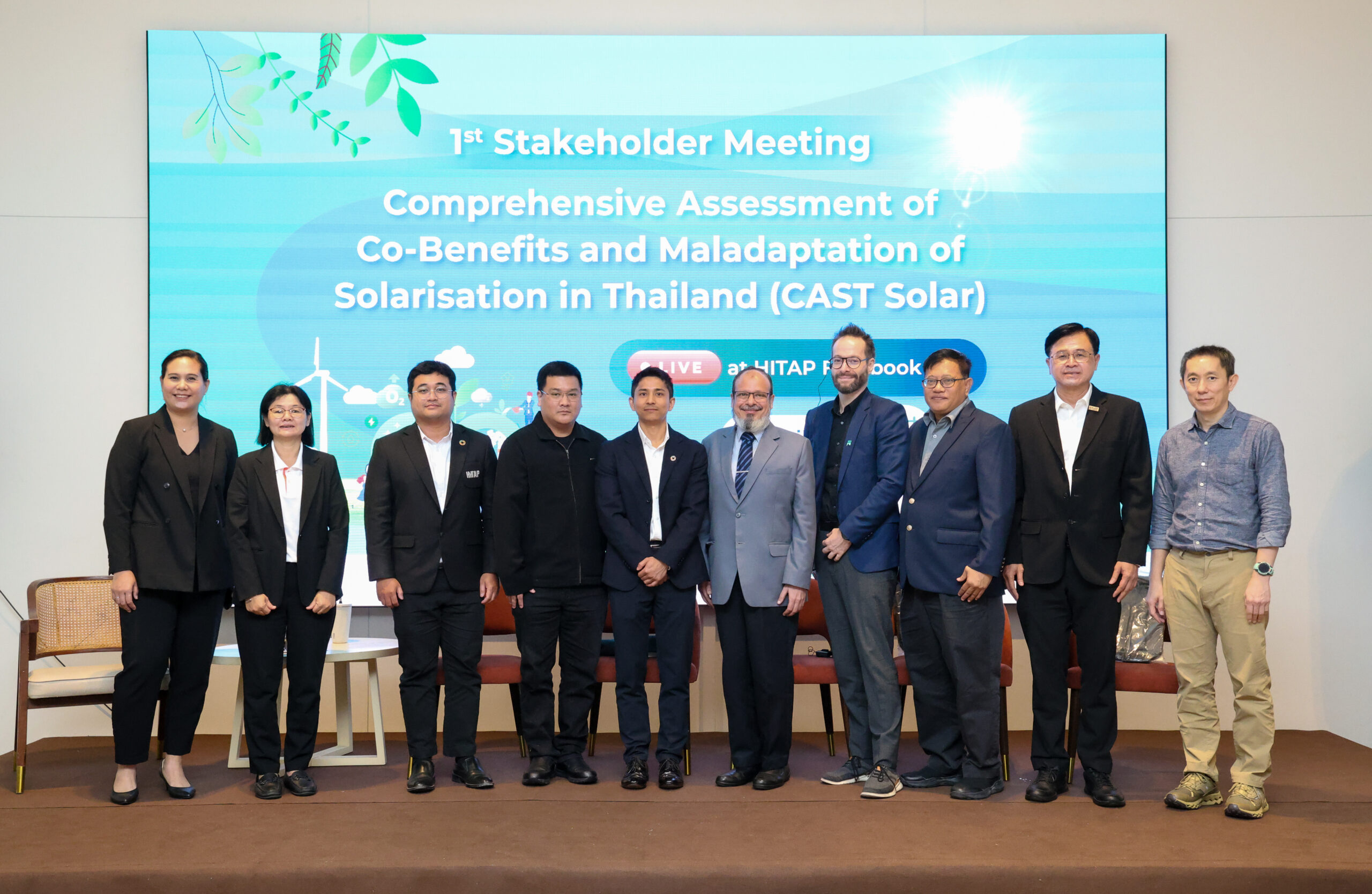


BANGKOK, April 3, 2026 – At the Best Western Chatuchak Hotel, the Environmental Economics Unit (E2U) of the Health Intervention and Technology Assessment Program Foundation (HITAP), alongside national energy and environmental partners, hosted a milestone seminar: “Comprehensive Assessment of Co-benefits and Maladaptation of Solarisation in Thailand” or the “CAST Solar Project”, the first comprehensive stakeholder engagement. The initiative establishes a rigorous framework designed to ensure that the nation’s 2050 Net Zero goal delivers tangible health and economic co-benefits for every citizen.
Dr. Yot Teerawattananon, Assistant Secretary-General and Senior Researcher at HITAP, shared the project’s vision, emphasizing that the seminar transcends mere technological discussion. He highlighted the necessity of balancing co-benefits with the prevention of latent risks through multisectoral cooperation between the public sector, private industry, and local communities. This collective effort supports Thailand’s goal of achieving Net Zero emissions by 2050. The research framework focuses on five key pillars: emission reduction, health impacts, economic costs, solar panel waste management, and energy justice.
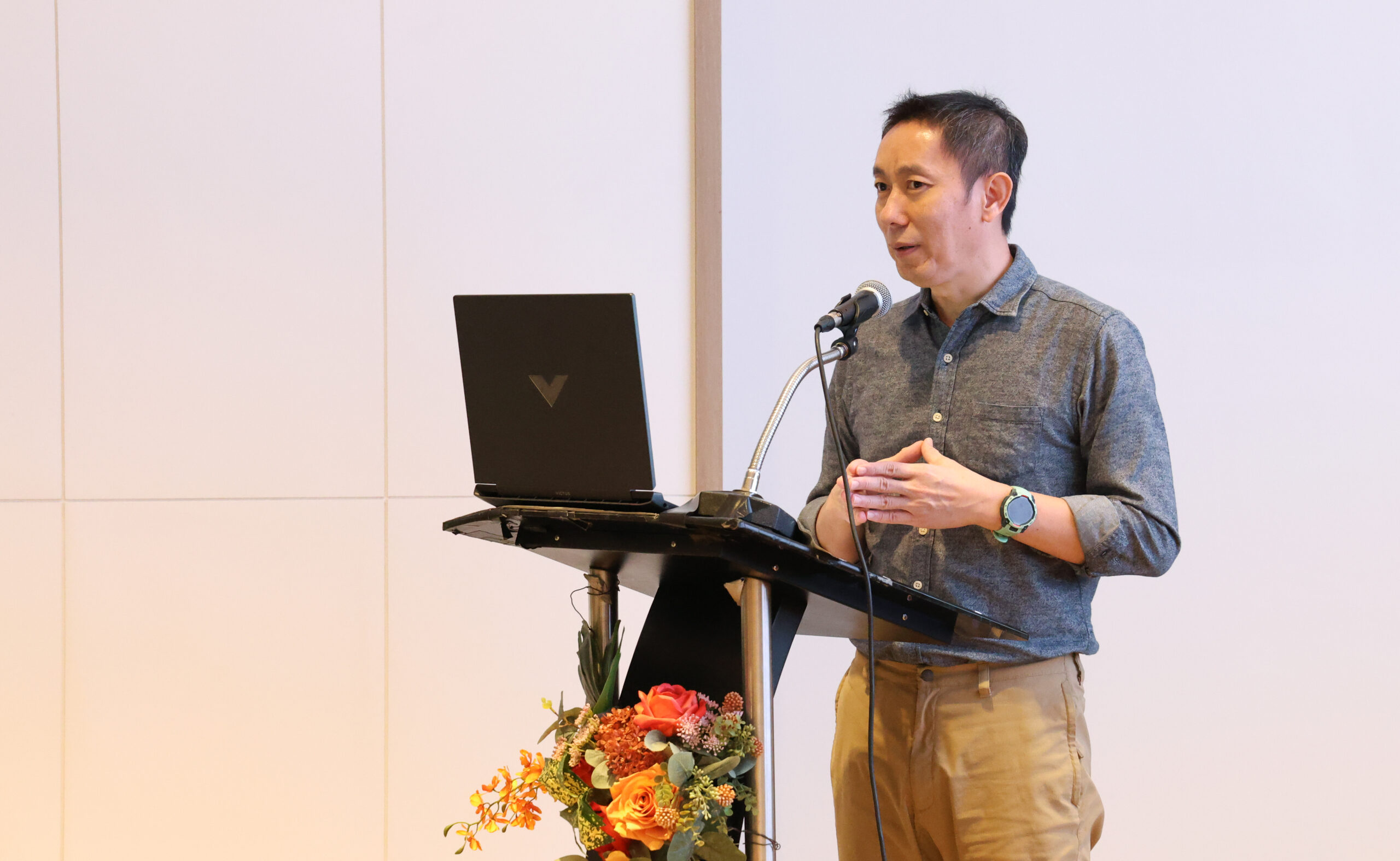
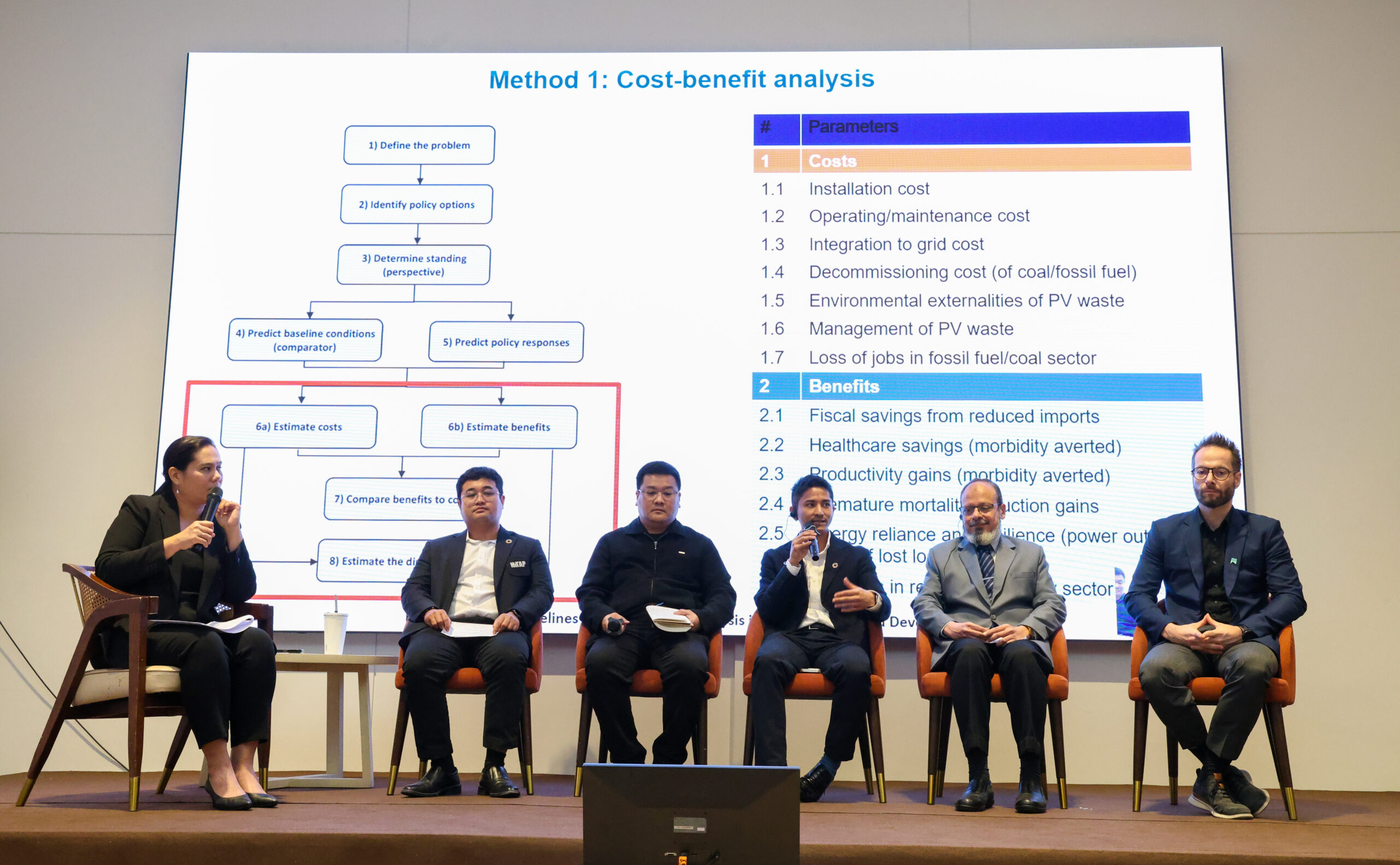
The meeting was honored to have Ms. Kiratikorn Naksompop, former editor of Thai PBS World, serve as the moderator and synthesizer of key discussion points. The session began with an in-depth look at policies, activity overviews, and the direction of solar energy in Thailand through presentations from experts representing key clean energy government agencies.
Ms. Charuwan Phipatana-Phuttapanta, Senior Professional Scientist, Department of Alternative Energy Development and Efficiency (DEDE), Ministry of Energy, presented solar energy targets under the Alternative Energy Development Plan (AEDP). This aligns with the Power Development Plan (PDP) and the National Energy Plan (NEP), pushing for more than 50% in the future. She also discussed technological challenges such as energy storage systems, necessary regulatory updates, and battery installation costs which, despite being currently high, are expected to decrease significantly over the next five years.
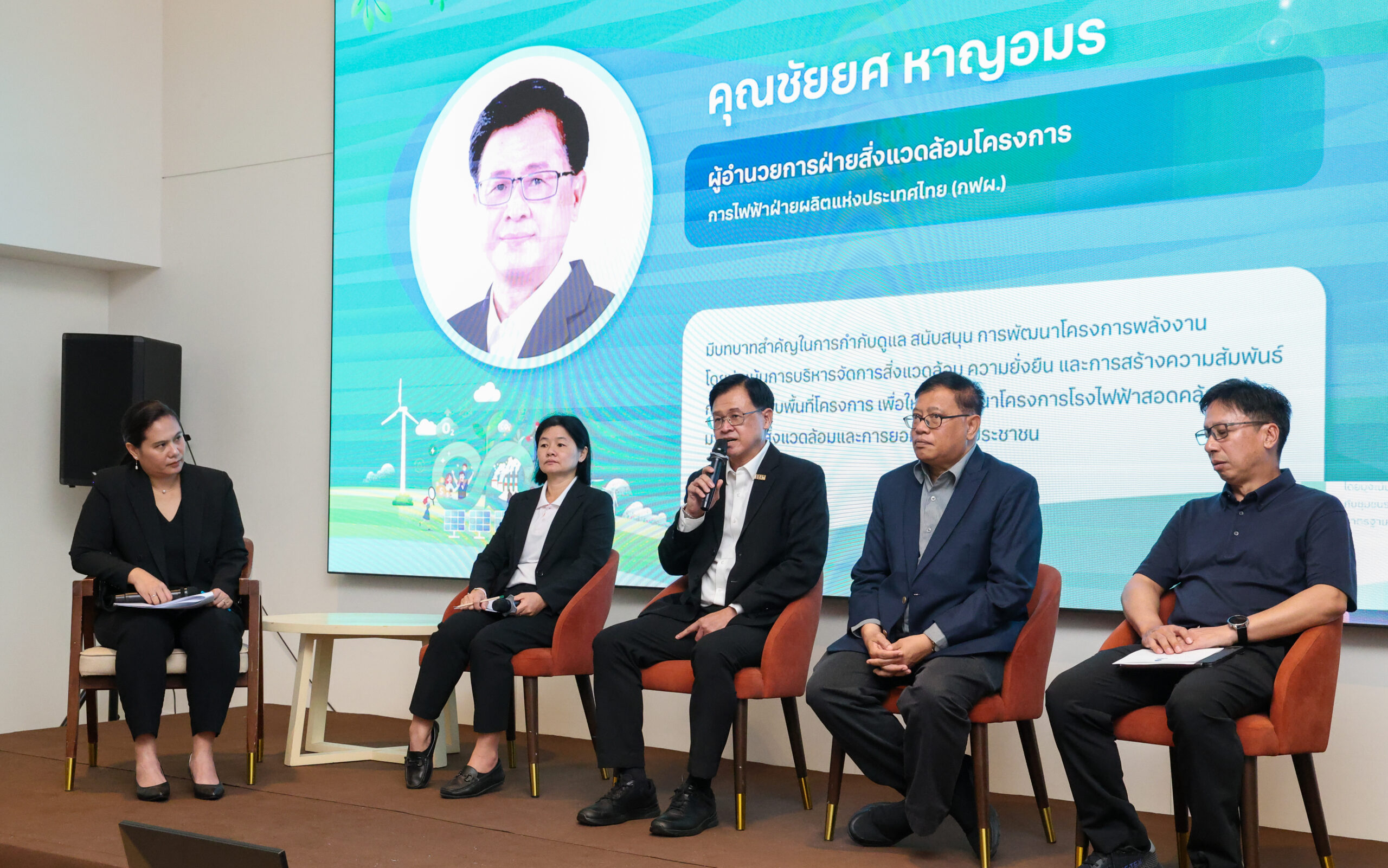
Furthermore, Mr. Chaiyot Hanamorn, Director of the Project Environment Division of the Electricity Generating Authority of Thailand (EGAT), explained EGAT’s long-term role and plans. Currently, projects are under development at the Bhumibol, Srinagarindra, and Vajiralongkorn Dams in accordance with the PDP 2018.
Mr. Rath Ruangchotevit, Director of the Greenhouse Gas Reduction Research Group, Department of Climate Change and Environment (DCCE), Ministry of Natural Resources and Environment, emphasized the importance of the NDC 3.0 framework in linking economic development plans, national strategies, and provincial operations. He also noted the drafting of the Climate Change Act to accelerate the Net Zero target from 2065 to 2050.
Additionally, Assoc. Prof. Dr. Sutha Khaodhiar, Director of the Center of Excellence on Hazardous Substances and Waste Management (HSWM), Chulalongkorn University, provided information on electronic waste management and collaboration with the National Health Security Office (NHSO) to develop appropriate solar energy adoption guidelines.
The CAST Solar seminar presented five core studies:
- Emission and Concentration: Wissawa Malakan, Researcher at E2U, HITAP, studied the impact of policy scenarios on reducing air pollution and average global temperatures using three indicators: greenhouse gases (GHGs), short-lived climate pollutants (SLCPs), and air pollutants.
- Health Impact: Chayut Pinichka, Researcher at the International Health Policy Program (IHPP) Foundation, presented an analysis of the additional healthy years (disability-adjusted life years or DALYs) Thailand would gain from transitioning to clean energy.
- Economic Impact: Sarin K C, Head of E2U, HITAP, assessed overall economic costs and benefits using two methodologies: cost-benefit analysis (CBA) and the dynamic computable general equilibrium (CGE) model, including income distribution analysis.
- Photovoltaic (PV) Waste Management: Dr. Shabbir H. Gheewala, Professor of the Joint Graduate School of Energy and Environment (JGSEE), King Mongkut’s University of Technology Thonburi (KMUTT), conducted an in-depth life cycle assessment (LCA) of solar PV systems to find the most environmentally friendly waste management solutions and reduce risks for vulnerable groups.
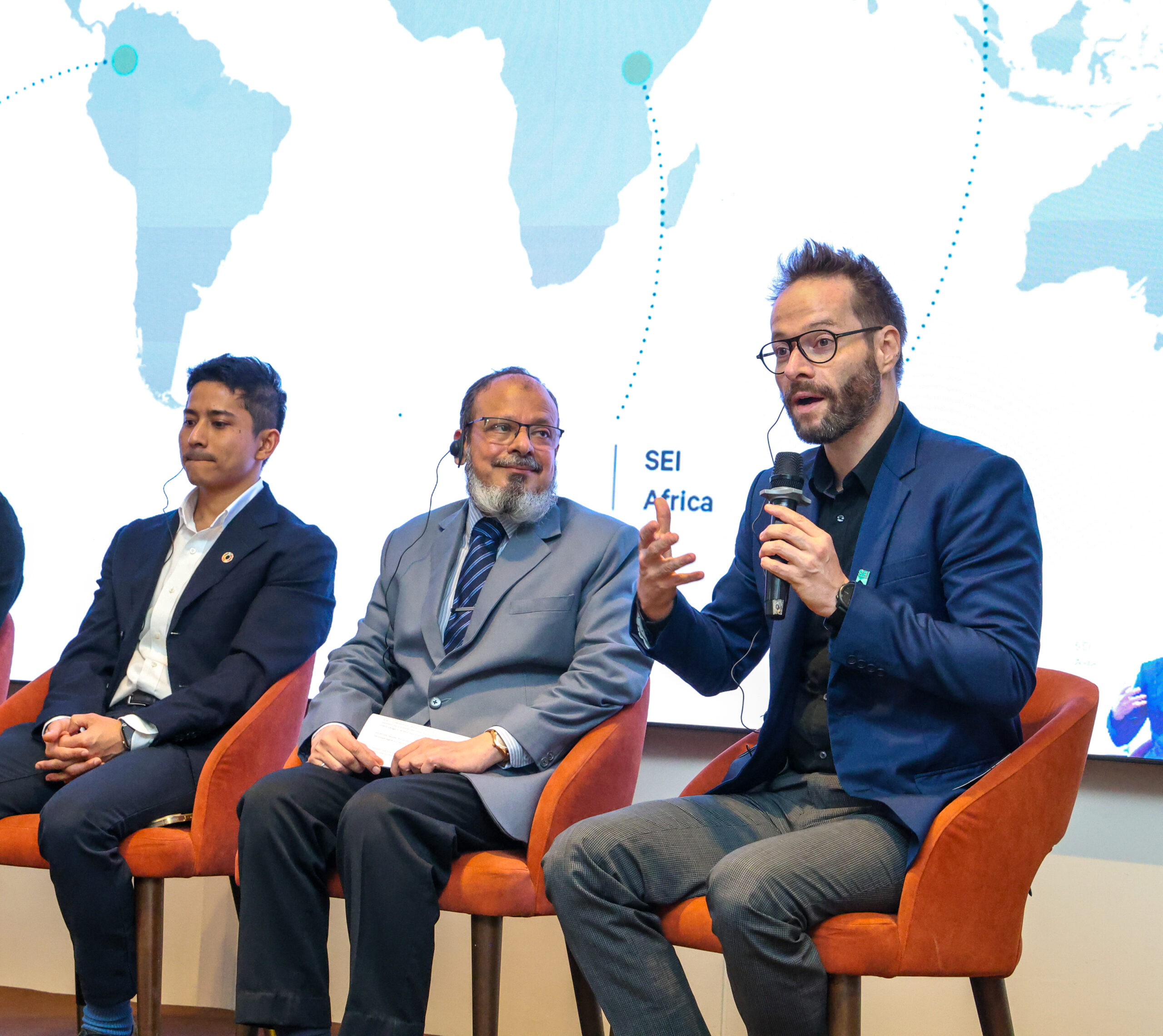
- Just Transition: Stefan Bößner, Research Fellow at the Stockholm Environment Institute (SEI), focused on the humanitarian dimensions. He emphasized justice and multisectoral participation using the JET-18 framework to understand barriers and identify equitable solutions.
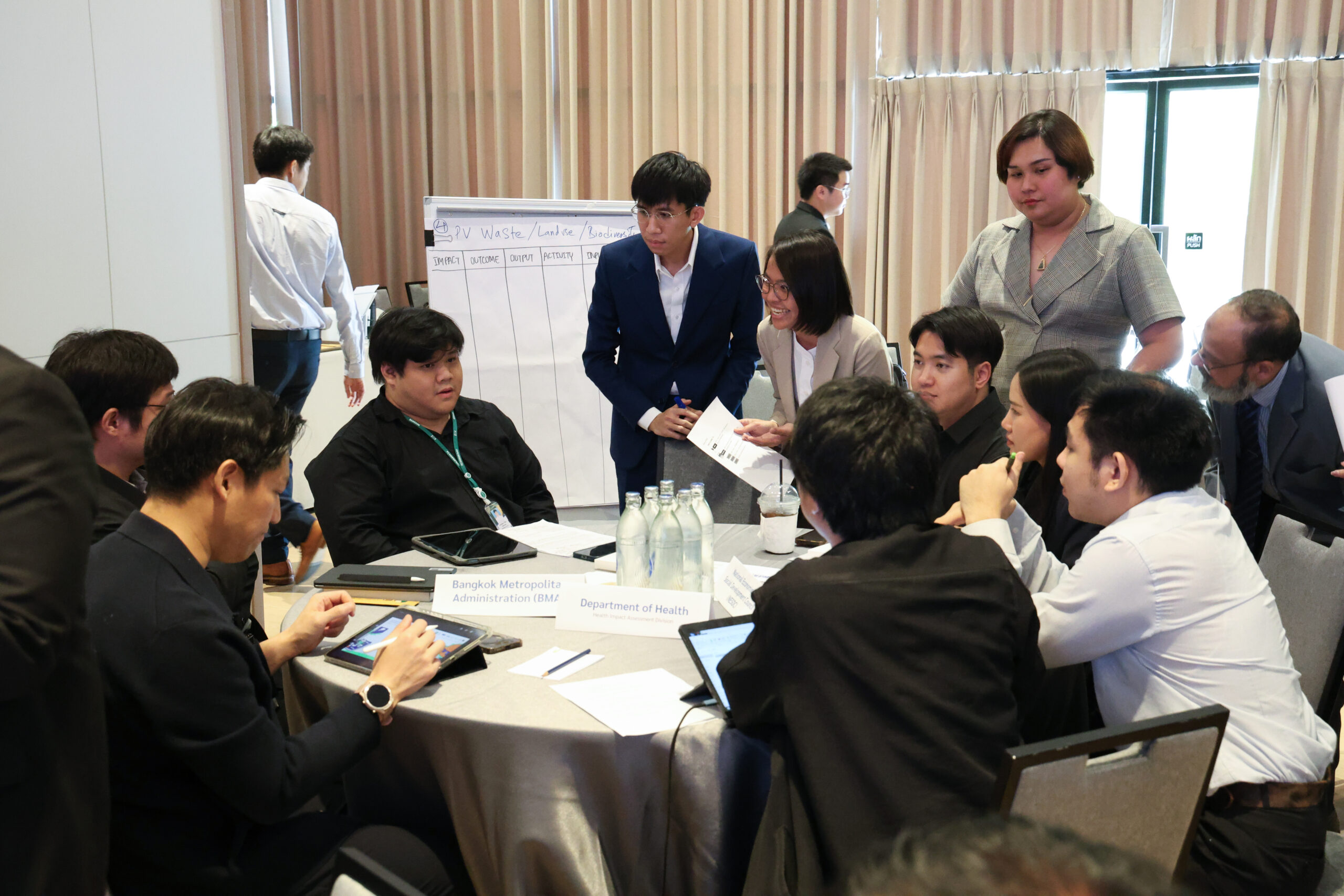
Following these presentations, the afternoon session featured group workshops for stakeholders to exchange perspectives. Participants collaborated to develop a Theory of Change (ToC) to analyze potential impacts, outcomes, and outputs. This serves as empirical evidence for future solar energy research and implementation in Thailand.
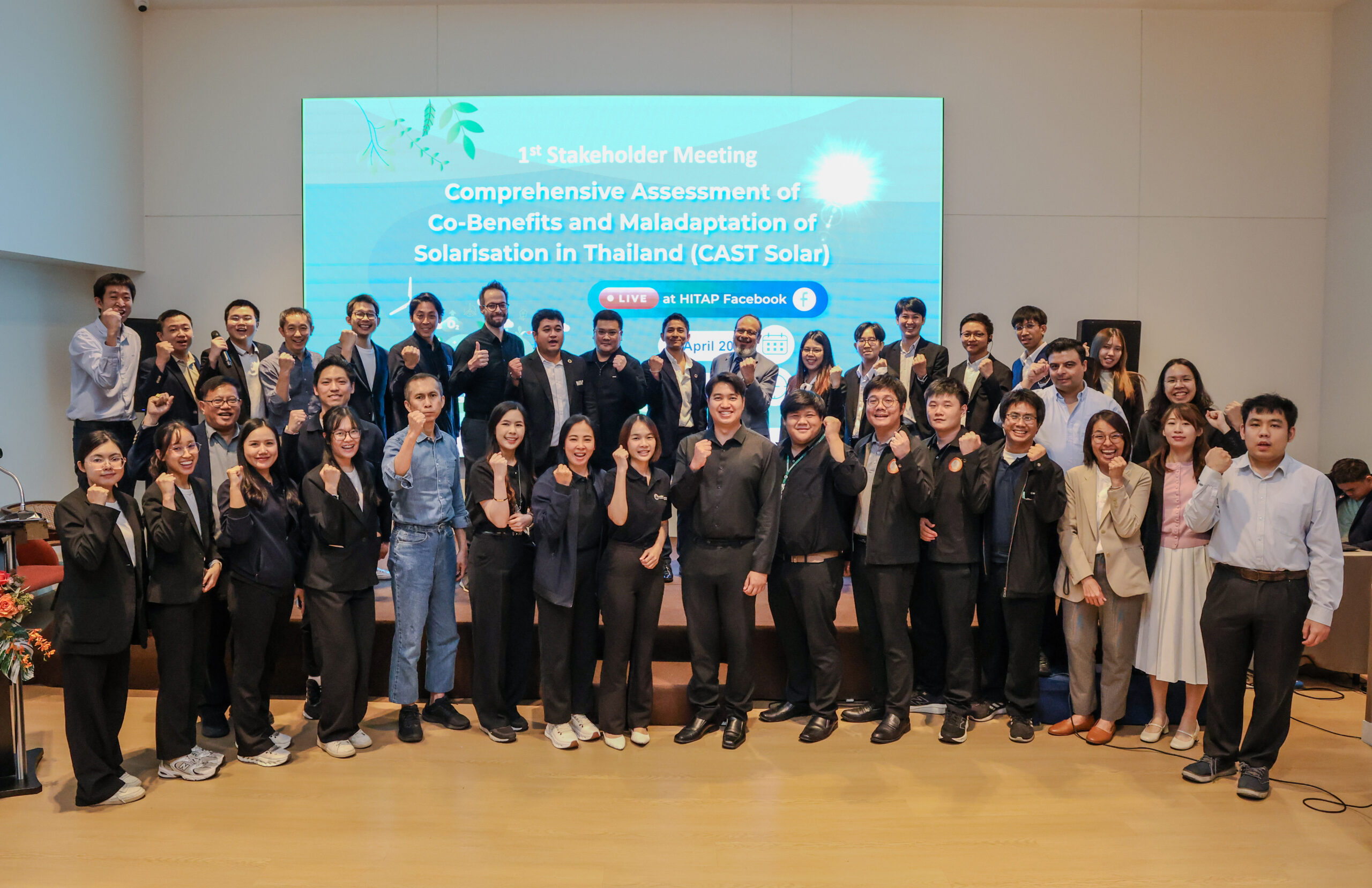
The CAST Solar project is a multilateral collaboration led by the E2U of HITAP in close partnership with national and international experts. This collaboration is committed to co-creating empirical knowledge to support sustainable solar energy policies that encompass environmental, health, economic, and social equity dimensions.