

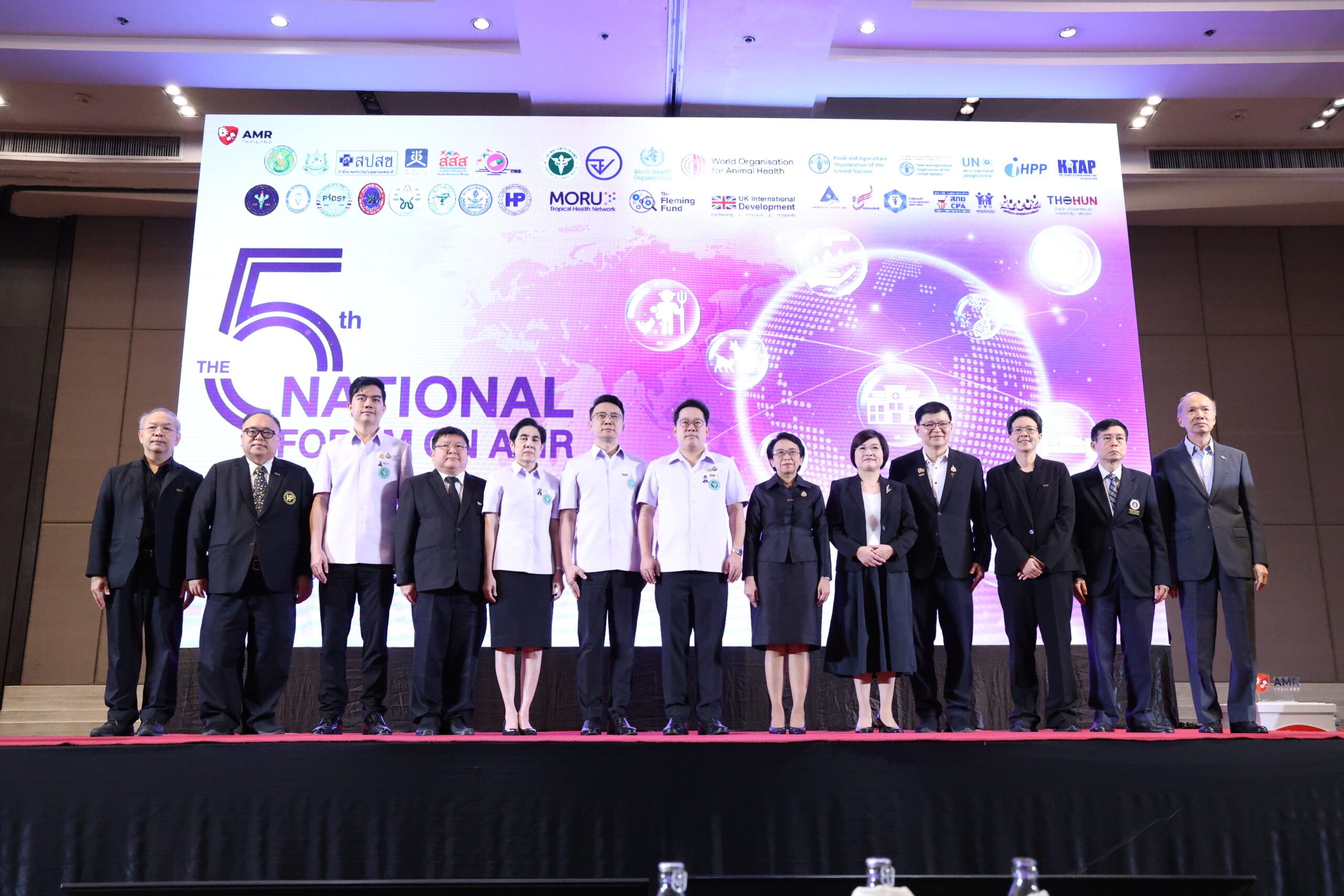
Thailand’s National Forum on Antimicrobial Resistance (AMR), held every two years, serves as a platform to share knowledge and reinforce the importance of AMR as a global public health threat. Yet AMR rarely commands public attention, compared to non-communicable diseases, despite being associated with an estimated 38,000 deaths in Thailand each year.[i] At Thailand’s 5th National Forum on AMR, where the Health Intervention and Technology Assessment Program Foundation (HITAP) had the opportunity to contribute as a co-host, this quiet emergency was placed firmly at the centre of national and global policy, with opening remarks drawn from government and partners across the health, environment, and agriculture sectors.
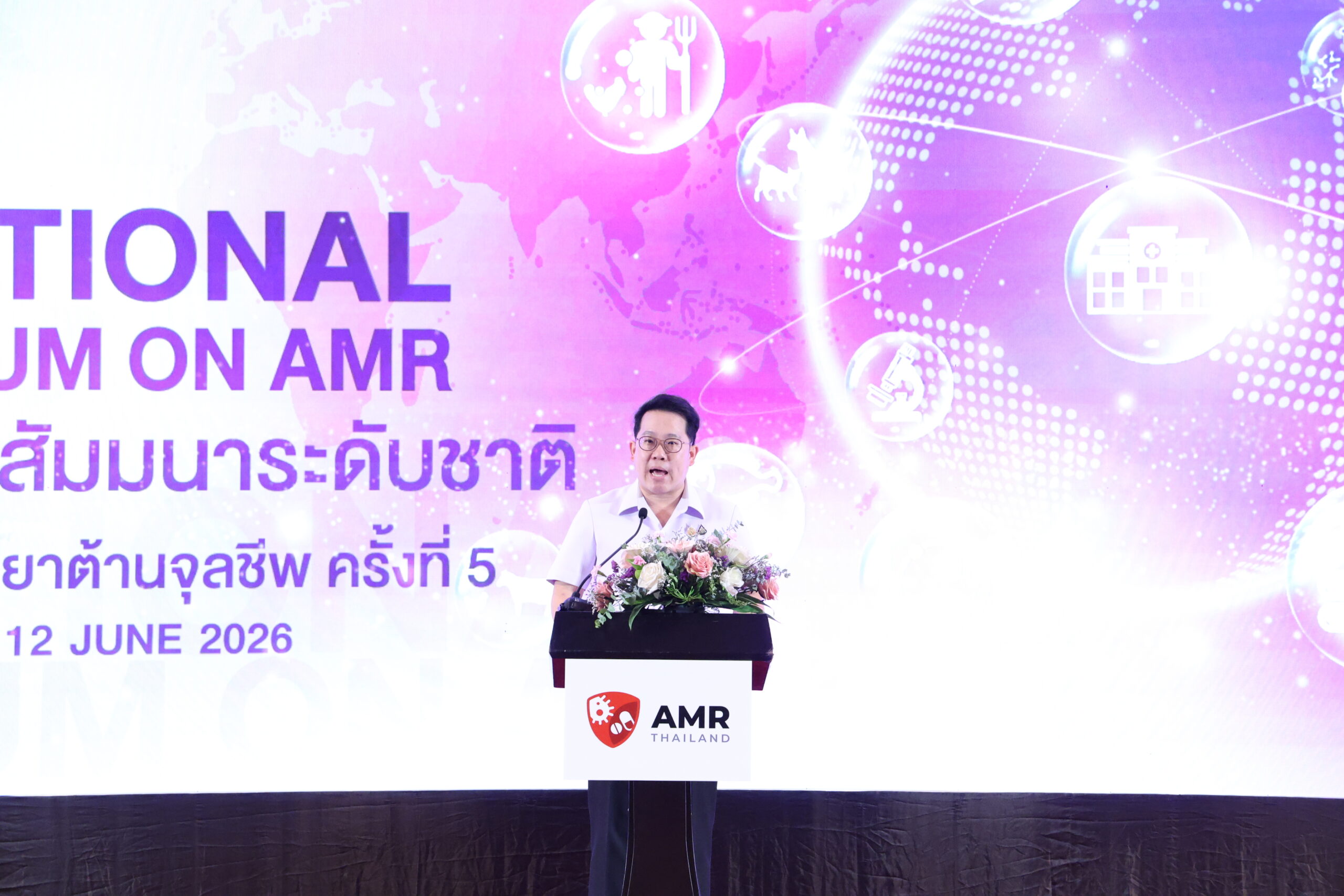
Opening the forum, H.E. Pattana Promphat, Minister of Public Health, acknowledged Thailand’s commitment to a 10% reduction in AMR by 2030, made at the World Health Assembly, and argued that AMR should be seen not as a health burden alone but as a global One Health agenda affecting supply chains, agriculture, and the economy. Closing the opening session, a UN Environment Programme representative warned that AMR’s socioeconomic cost could reach some US$3 trillion by 2030, with pollution and climate change accelerating resistance, and urged that the environment be embedded in the next National Action Plan.
The Ministry of Public Health’s Deputy Permanent Secretary also framed the conference’s purpose as translating action into policy and implementation. The World Organisation for Animal Health (WOAH) reminded delegates that AMR remains one of the most significant health challenges of our time, stressing the One Health linkage and cross-sector collaboration — and praised Thailand for “leading by example” in bringing partners together so that affordable, effective options can emerge through innovation. The Thai Health Promotion Foundation (ThaiHealth) sounded a behavioural alarm: a 2024–2025 survey found that adults aged 20–45 reach for antibiotics for almost any ailment, however minor, with misuse spilling across both communities and health facilities.
The Ministry of Natural Resources and Environment and the Ministry of Agriculture and Cooperatives described a deepening partnership with the Ministry of Public Health under the new Global Action Plan on AMR, including long-running monitoring of pathogens in water and sludge, and responsible farming.
The numbers highlight the progress: over the past decade, Thailand has cut antibiotic use in humans by around a tenth and in livestock by roughly a third — gains driven by government, the private sector, and civil society alike.
Yet the Forum was candid about what remains to be done. A national point-prevalence survey conducted in 2023 across 100 hospitals and some 29,000 patients found AMR in nearly half of specimens tested, with healthcare-associated infections and organisms such as Acinetobacter baumannii driving the highest resistance. Strikingly, resistant Escherichia coli circulates in both hospitals and communities — evidence that resistance has slipped beyond clinical walls.
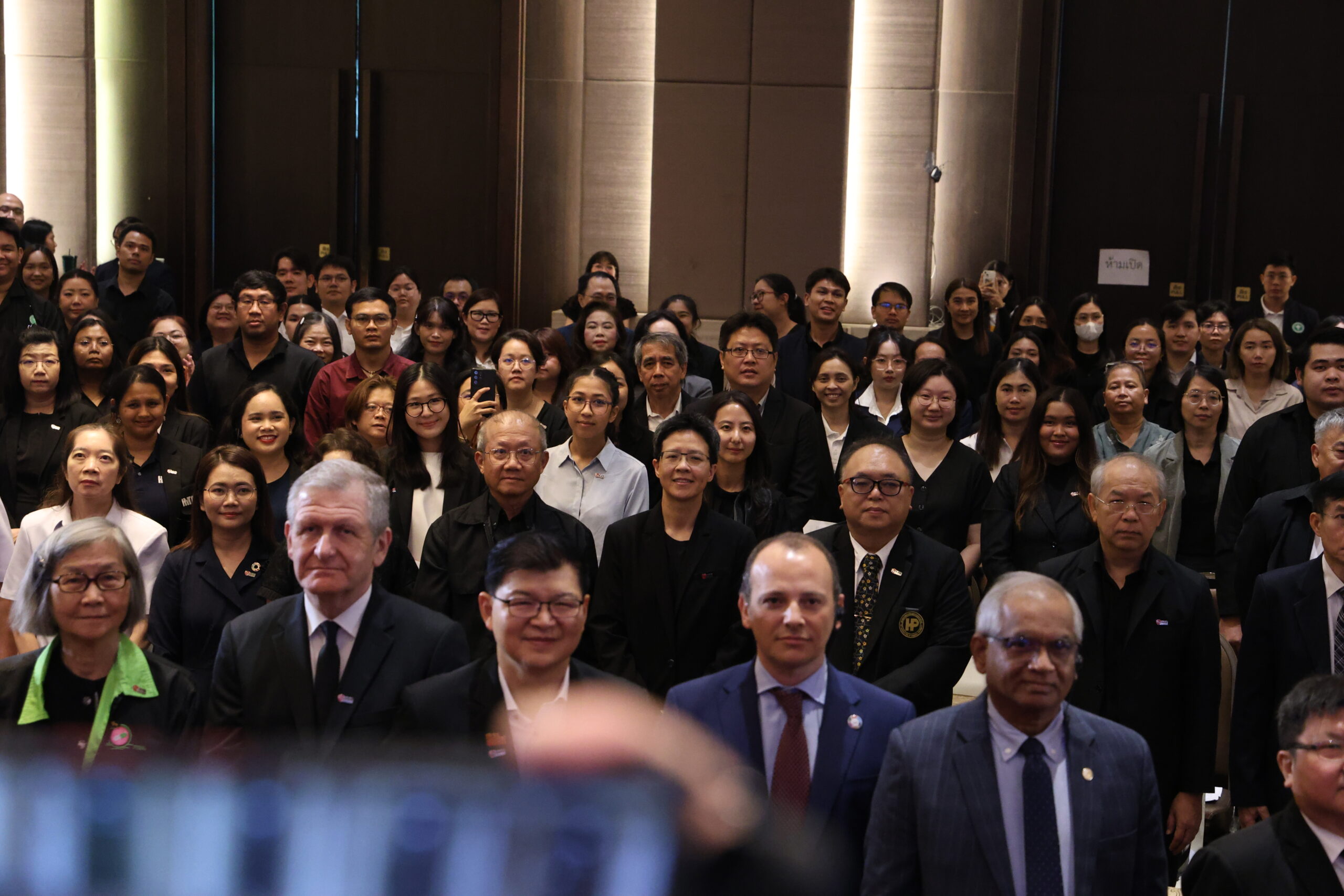
The second day turned the spotlight on the environment, with sharing about initiatives to monitor the Chao Phraya and Tha Chin rivers, and of community and hospital wastewater, which revealed how resistance persists in water and sludge. The lesson is double-edged: factories, agricultural farms, and hospitals still struggle to meet treatment standards, yet where treatment works; pathogens can return to susceptibility. Solutions exist — Phuket’s reverse-osmosis systems among them — but they are costly with regulatory and innovation gaps to be closed.
AMR is increasingly a question of trade, too. As the European Union tightens rules on antibiotic use in farming and demands audited national frameworks, export market could be disrupted for countries that fail to demonstrate progress and policies to tackle AMR. Thailand’s well-enforced Good Agricultural and Hygiene Practice standards give it an advantage, but speakers were blunt: AMR is no longer only about saving lives — it is about trade survival.
Perhaps the most important thread running through all the discussions was equity. A welfare survey of nearly 30,000 people found that while 80% worry about AMR, only about a third feel they understand antibiotics, and many still wrongly believe that antibiotics can treat viral infections. The burden also falls unevenly: marginalised groups treat antibiotics as a universal cure, migrant workers face higher exposure, and women — often in direct contact with animals — bear greater risk yet hold the least decision-making power. As one session puts it, AMR is a “super-wicked problem” that demands a just transition. The challenge now is to turn ambition into implementation and ensure no community is left behind.
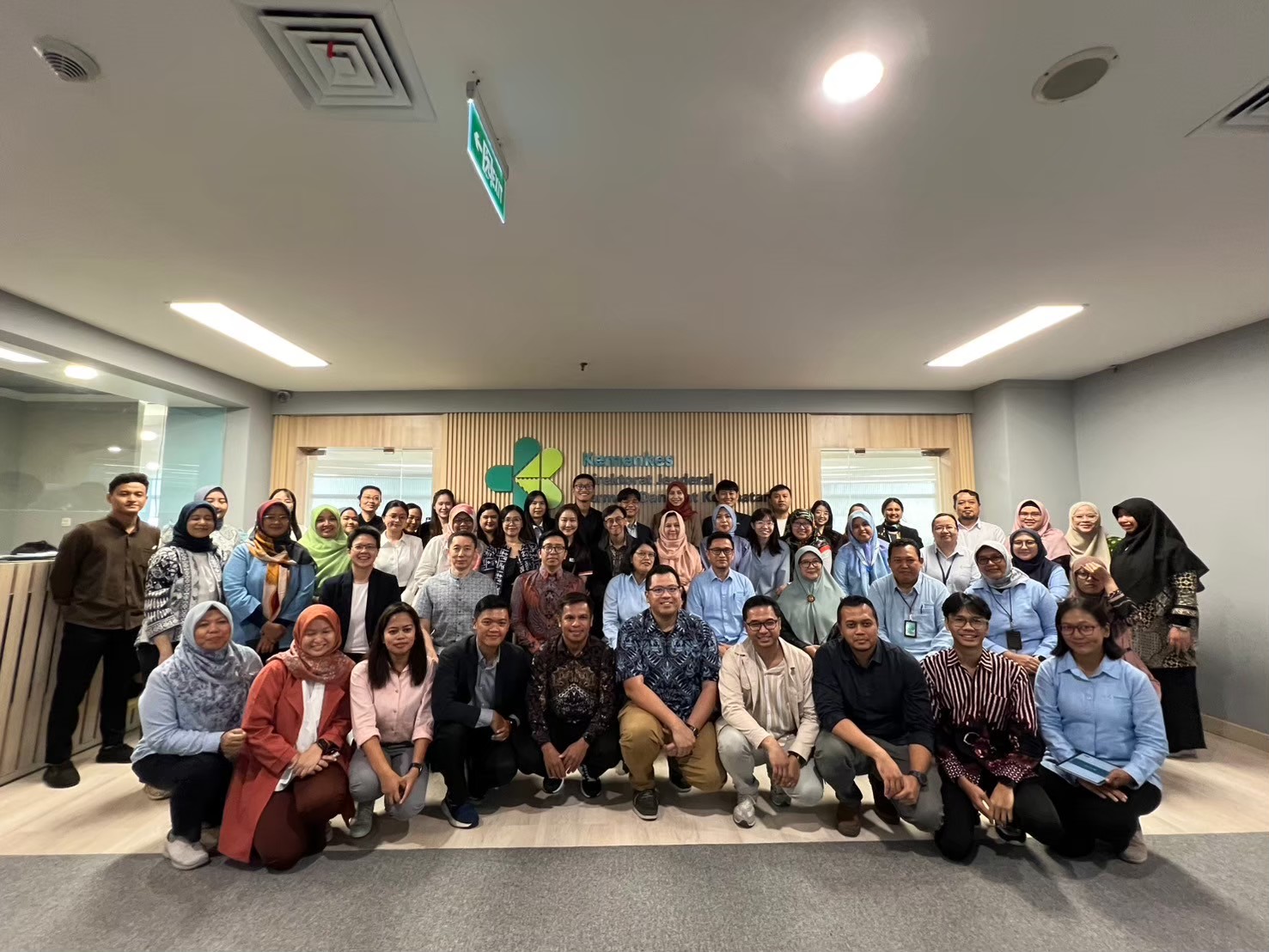
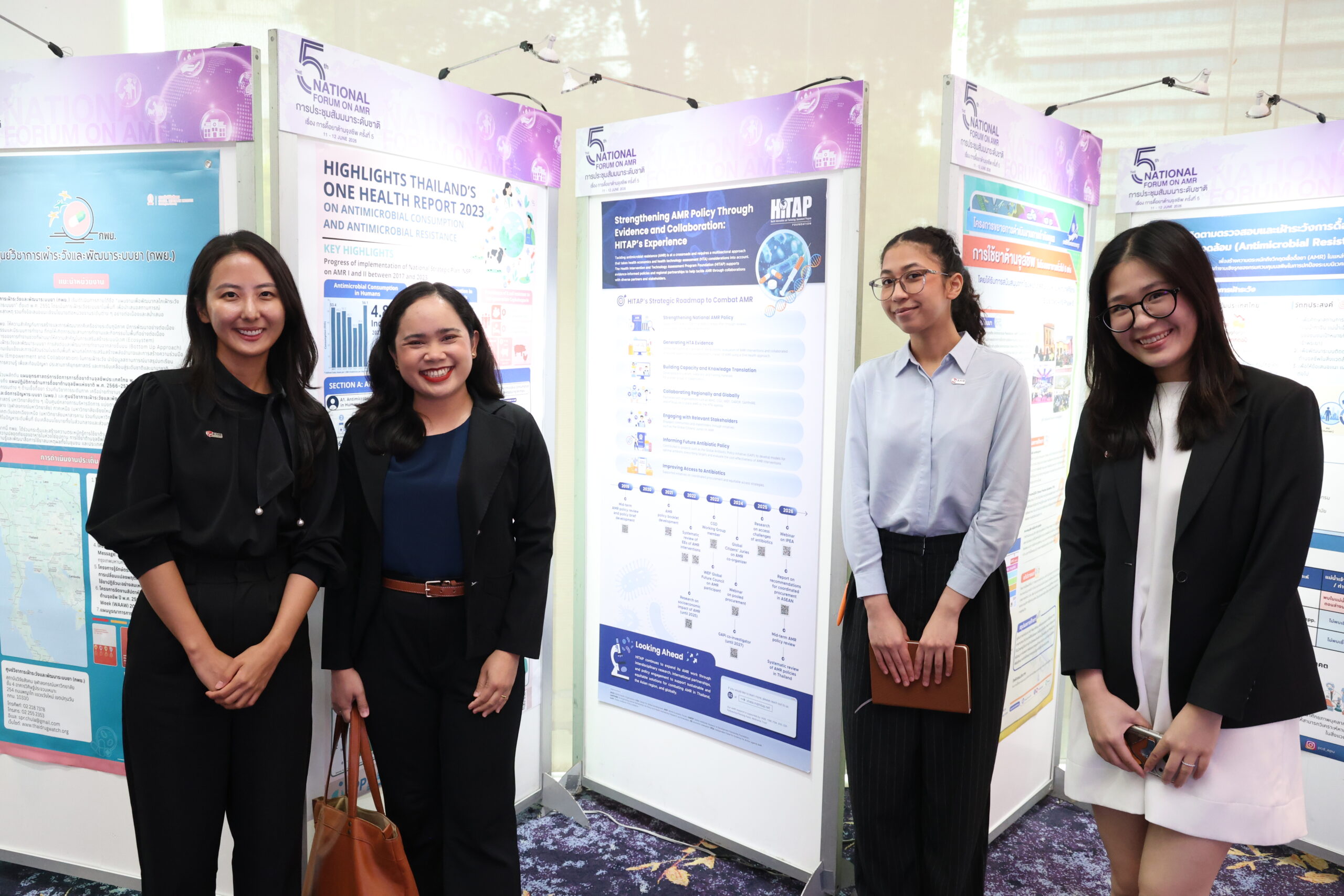
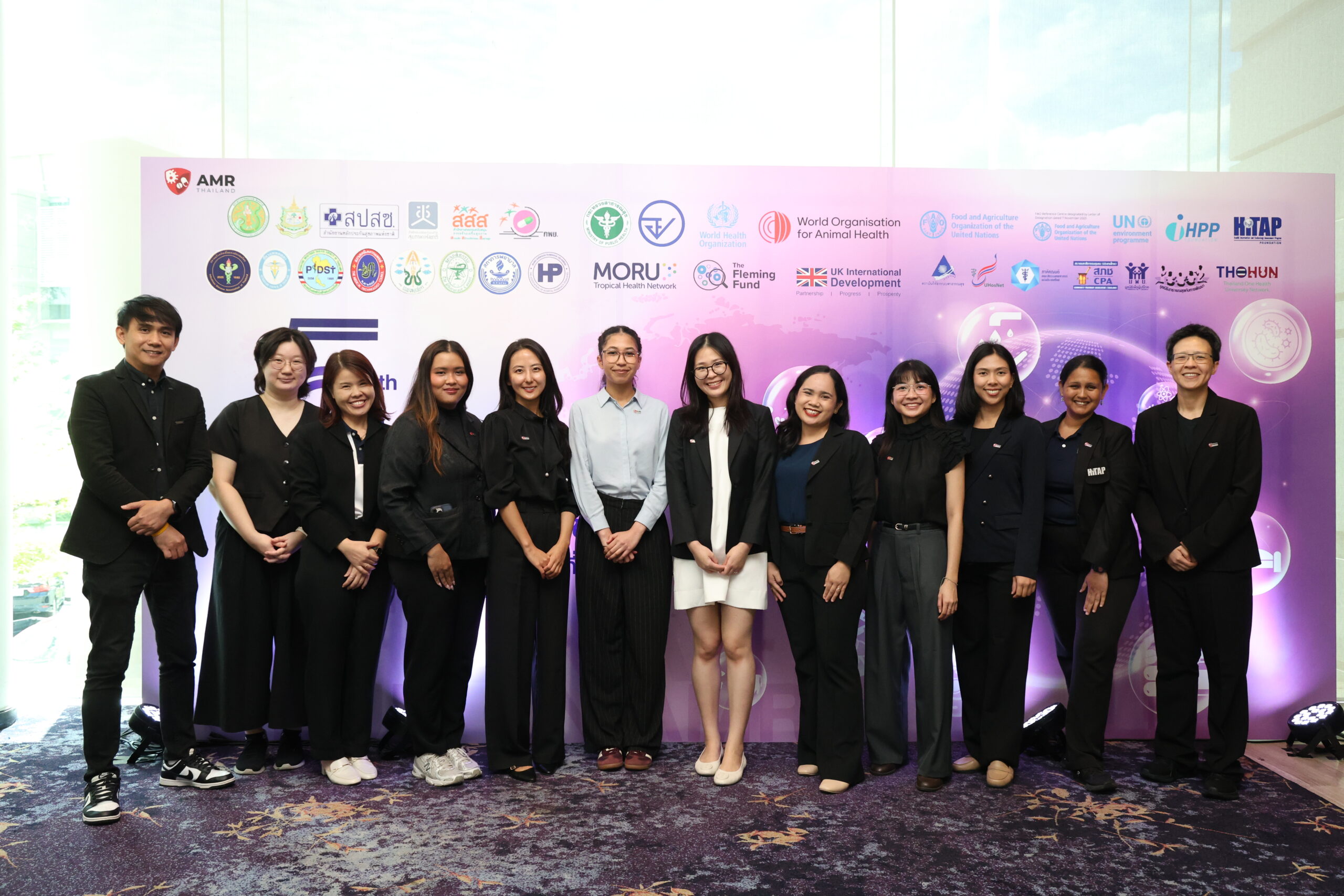
Picture 4, 5. The GAPi (Global Antibiotic Policy Initiative) and HITAP team at Thailand’s 5th National Forum on AMR, presenting poster alongside the poster exhibition (left) and at the forum backdrop (right)
As part of this commitment to address AMR, HITAP presented a poster on its AMR experience and strategic roadmap, tracing its work from 2019 to 2026 alongside the projects and publications that have shaped Thailand’s evidence-informed response to AMR.
For HITAP, the mission is clear: invest in the evidence base, secure sustainable financing, and translate that evidence into guidance and stewardship programme that reaches the communities and front-line health professional who need it most. AMR respects no boundaries between species, sectors, or systems — and neither can our response.
It is time to act. One Health. One Future. Act now on AMR.
Author and acknowledgements:
This article was written by Onwara Kamonsumlitichai and was reviewed by Dr. Shiela Marie Selisana and Saudamini Dabak.