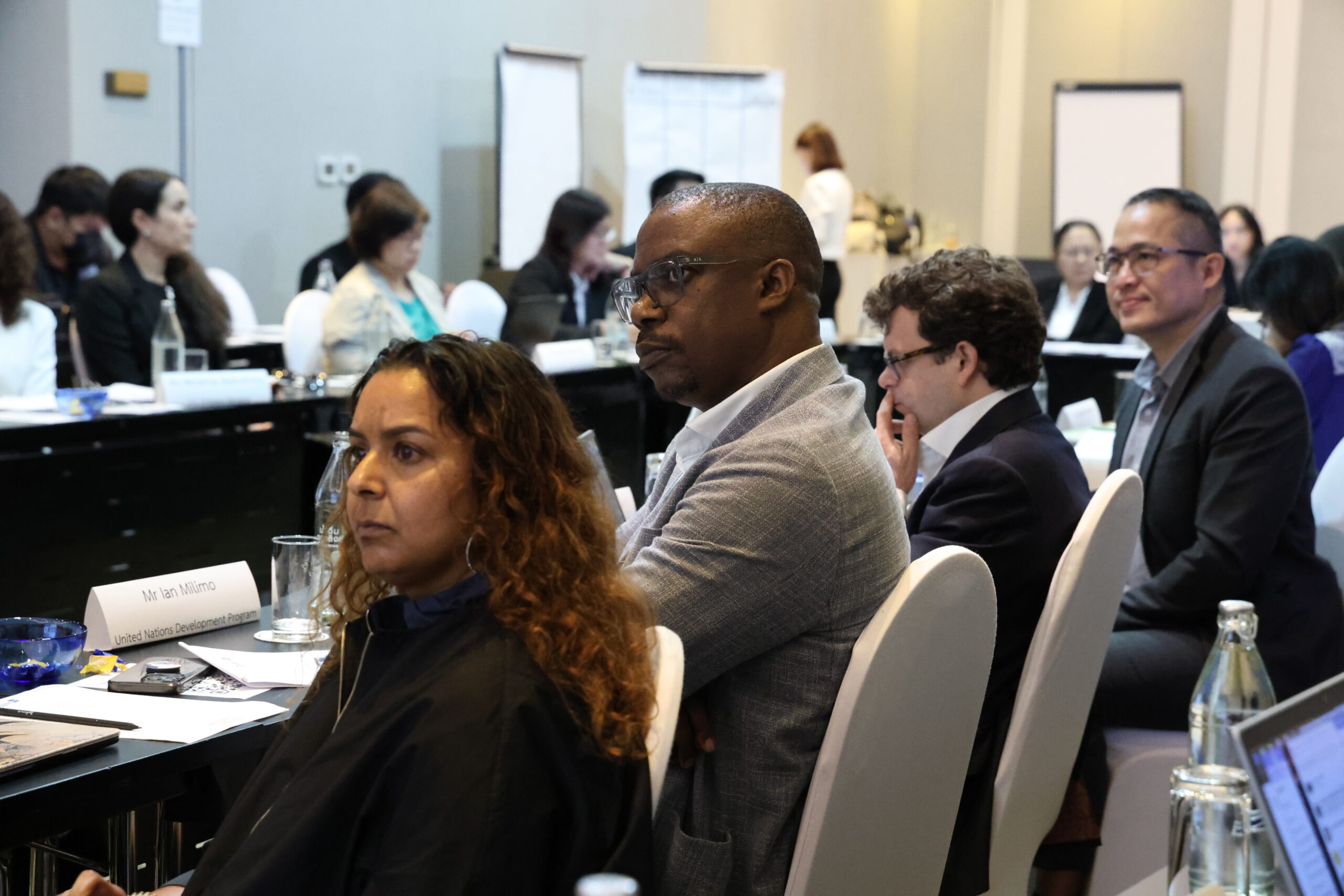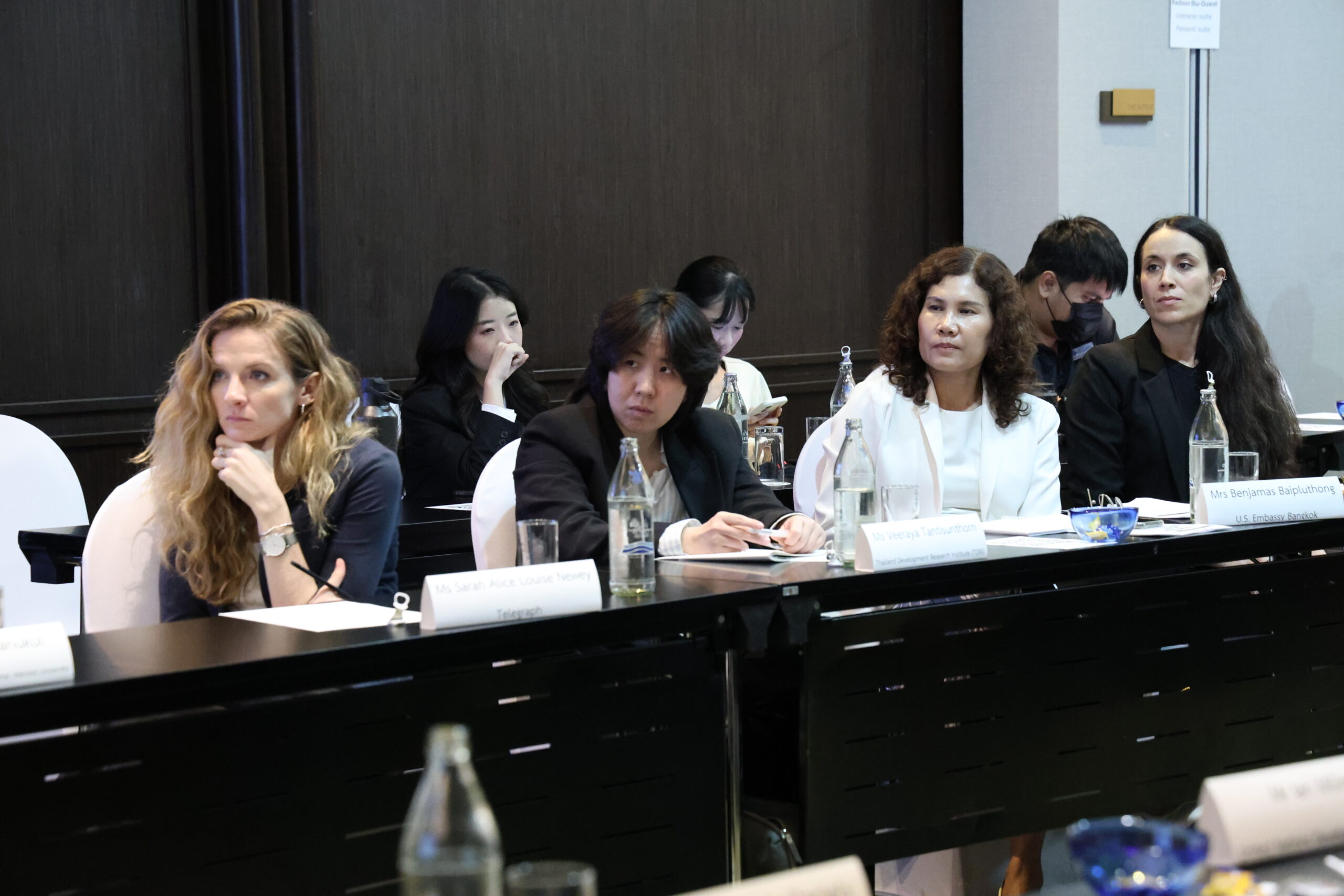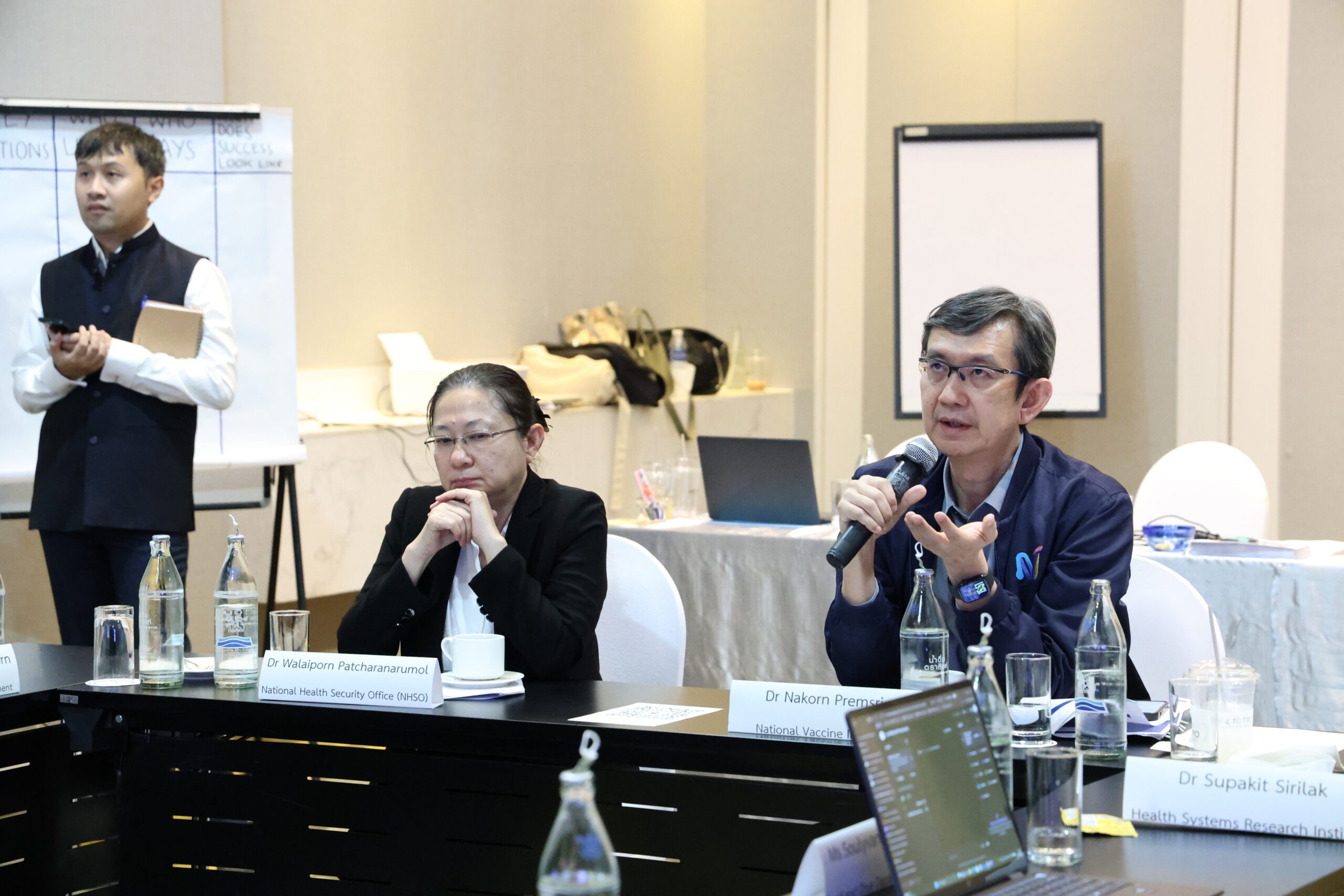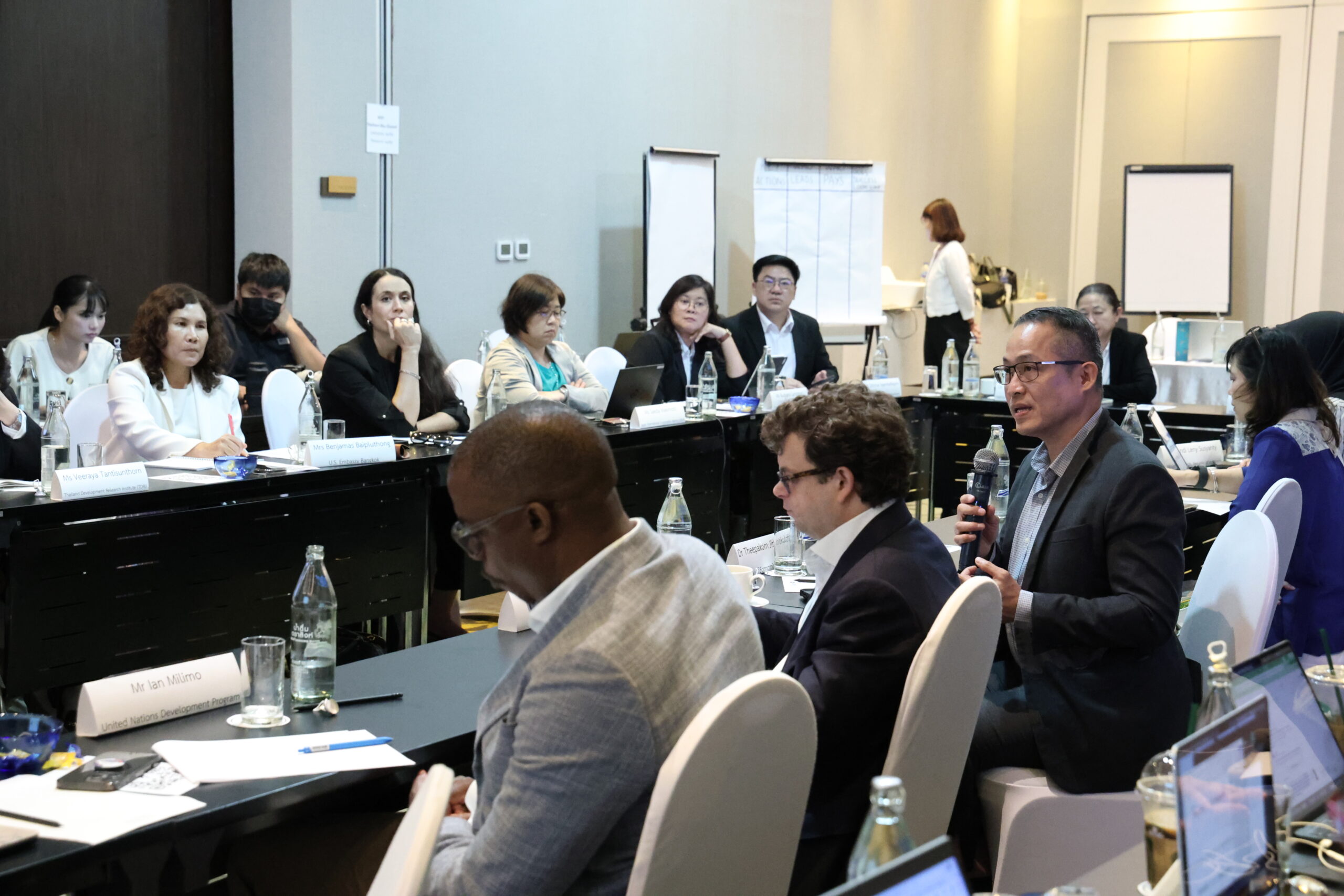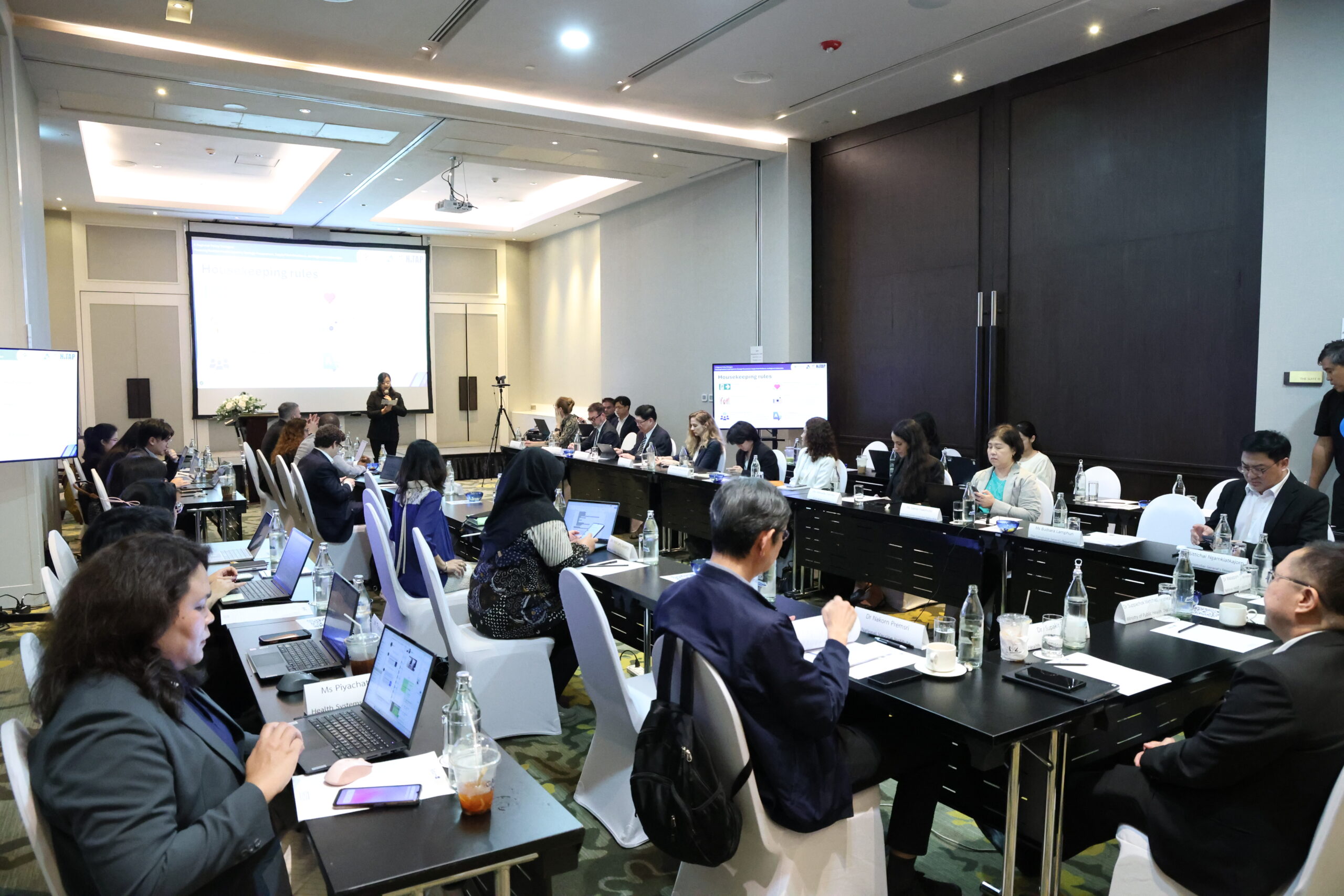

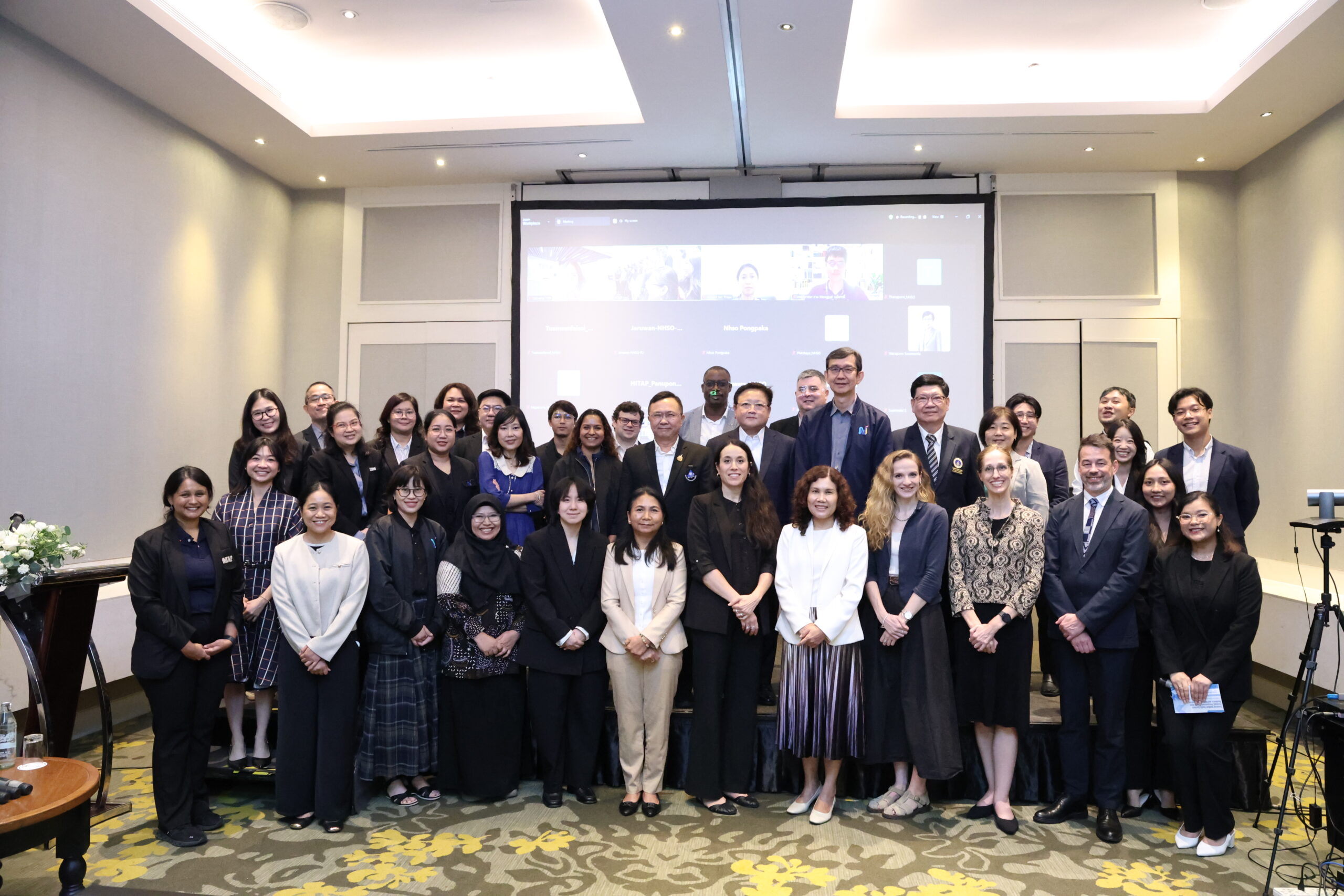


Stakeholders examine interconnected financing and supply chain challenges, exploring opportunities for regional collaboration to strengthen health security, alongside the IMF–World Bank Group Annual Meetings in Bangkok.
On 12 October 2026, the National Health Security Office (NHSO) and the Health Intervention and Technology Assessment Program Foundation (HITAP) co-hosted the regional policy dialogue “Financing Resilient Health Systems: Strategic Procurement, Supply Chain Resilience, and Regional Collaboration” in Bangkok, Thailand, alongside the 2026 IMF–World Bank Group Annual Meetings. The event was supported by the Health Systems Research Institute (HSRI) and Thailand Science Research and Innovation (TSRI).
The dialogue brought together representatives from the Ministries of Finance and Health, other government agencies, representatives from the Association of Southeast Asian Nations (ASEAN) region, development partners, academia and civil society to explore how countries can strengthen health system resilience and ensure access to critical health products during crises.
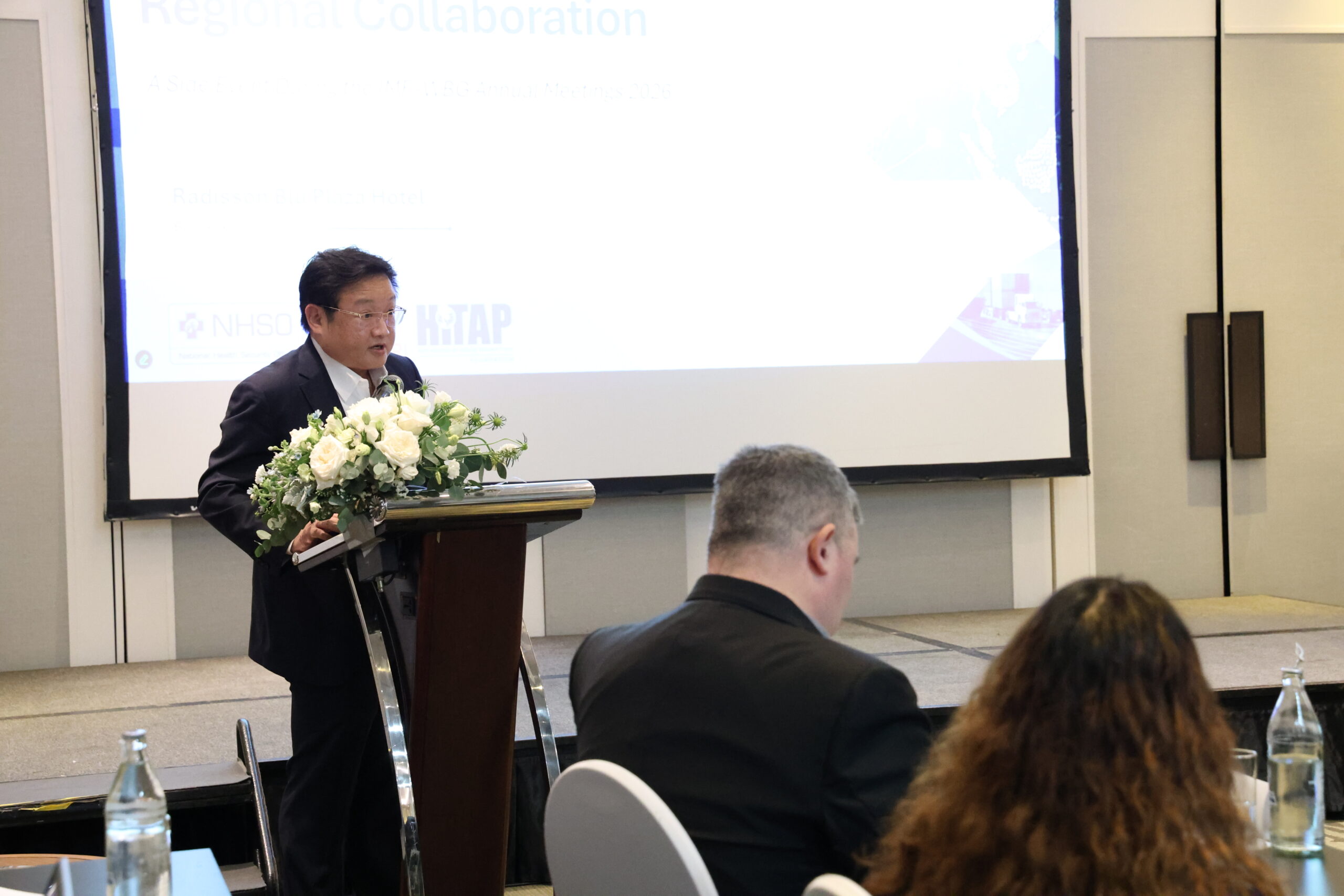
Dr. Suppachok Wetchaphanphesat, Chief Inspector General of Thailand’s Ministry of Public Health (MoPH), delivered the opening remarks, setting the scene for discussions on shared challenges and the importance of regional collaboration.
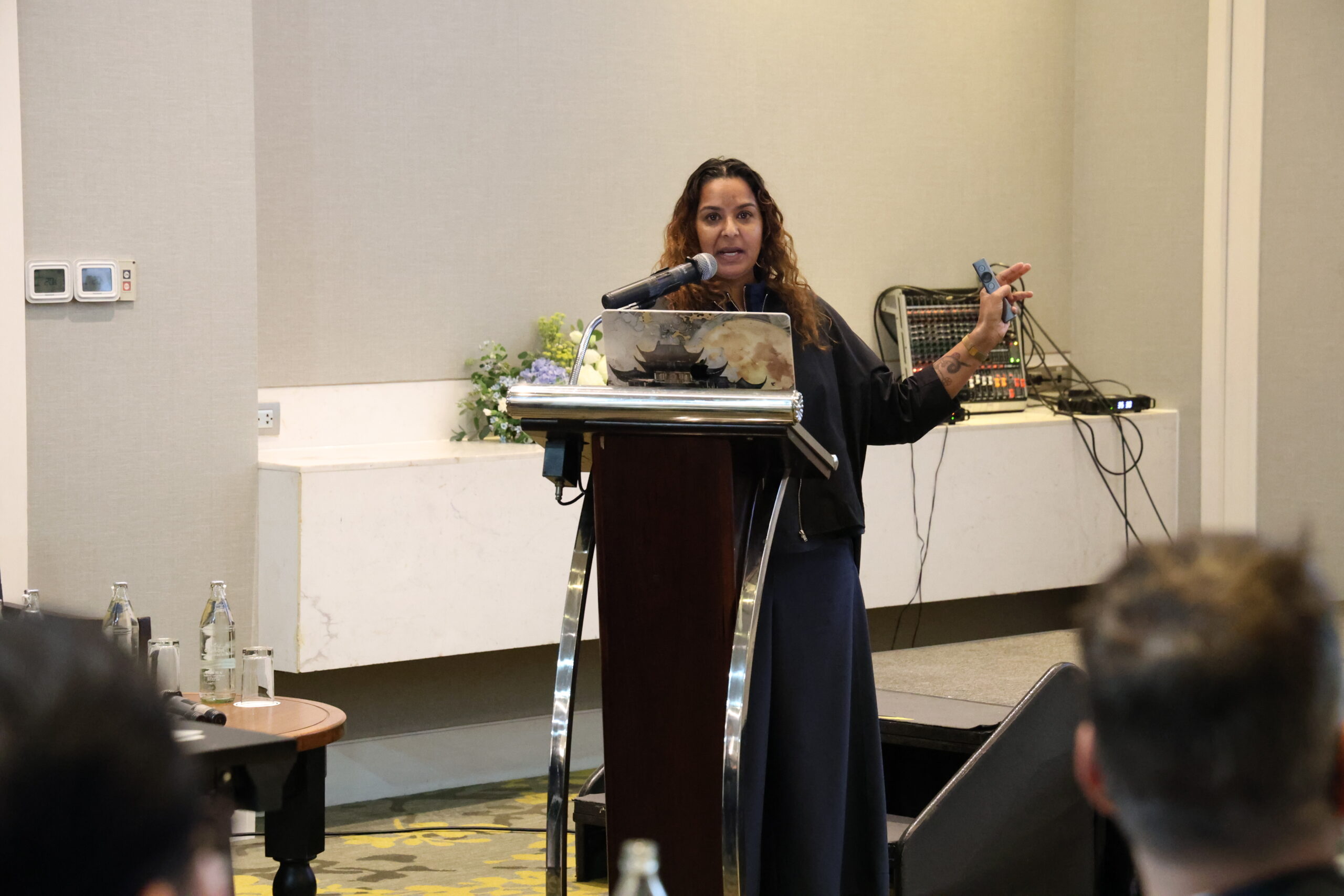
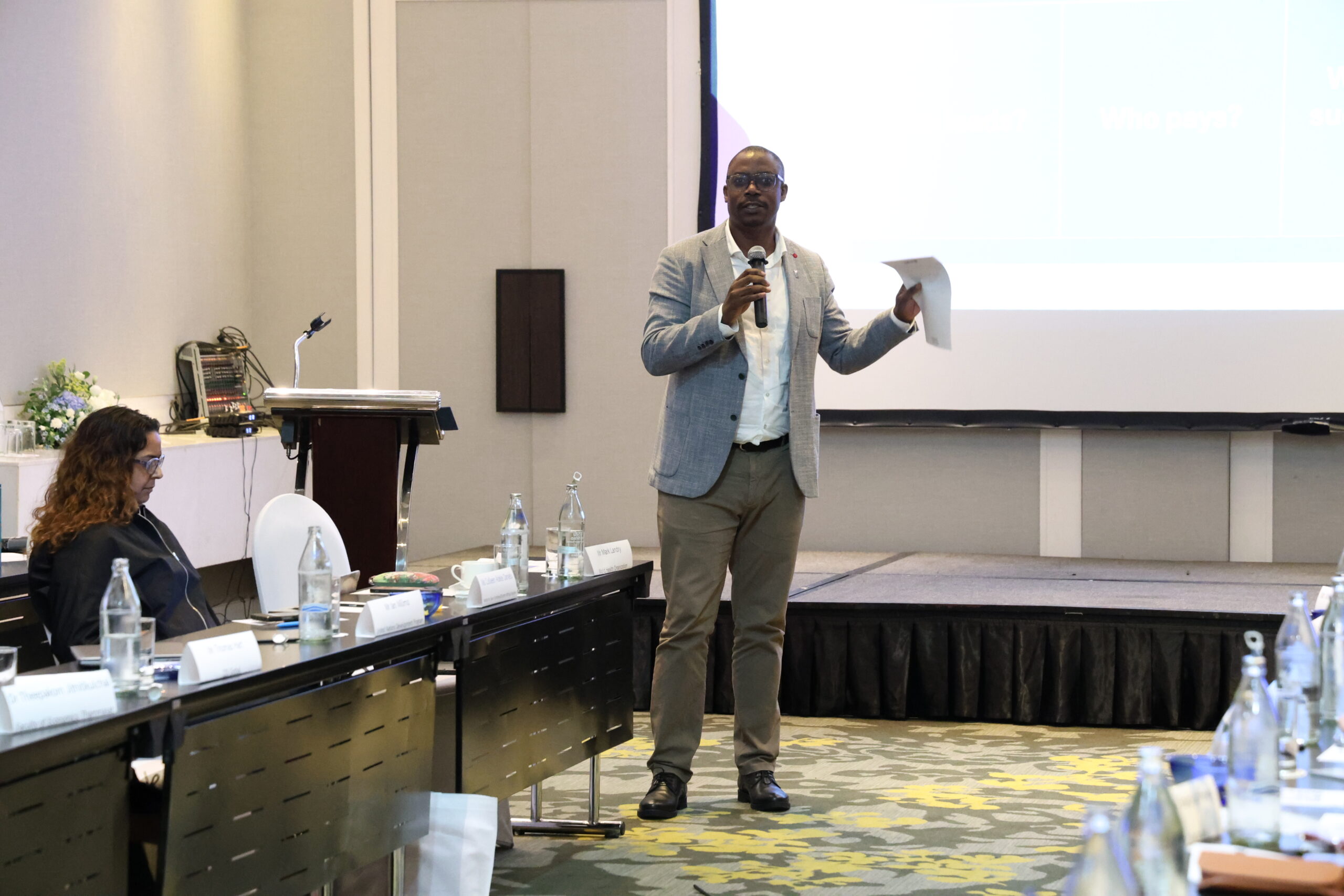
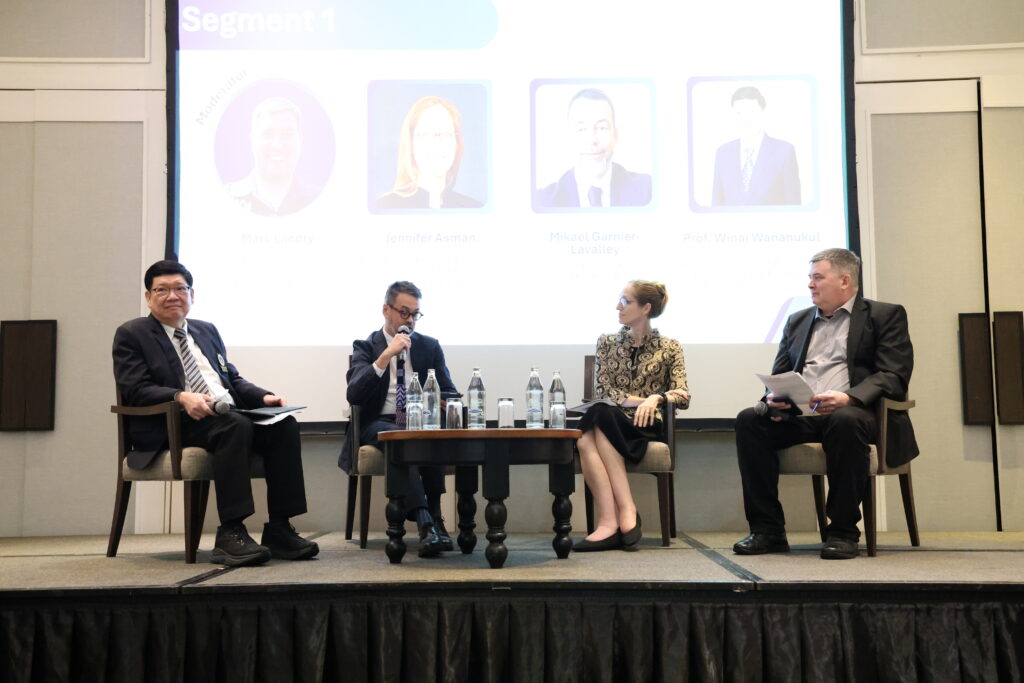
Building on this context, Colleen Daniels of Médecins Sans Frontières (MSF) shared practical experiences from emergency responses, highlighting approaches to preparedness and the delivery of critical health products in crisis settings. A subsequent panel discussion, moderated by Mark Landry of the World Health Organization (WHO) Thailand Country Office, featured Jennifer Asman of the United Nations Children’s Fund (UNICEF) East Asia and Pacific, Mikael Garnier-Lavalley of the Pandemic Fund, and Professor Winai Wananukul of the Initiative for Coordinated Antidotes Procurement (iCAPS) and the National Antidote Program (Ramathibodi Hospital). The panellists explored how governments and partners can address vulnerabilities before crises occur, align health and financial priorities, and leverage partnerships.
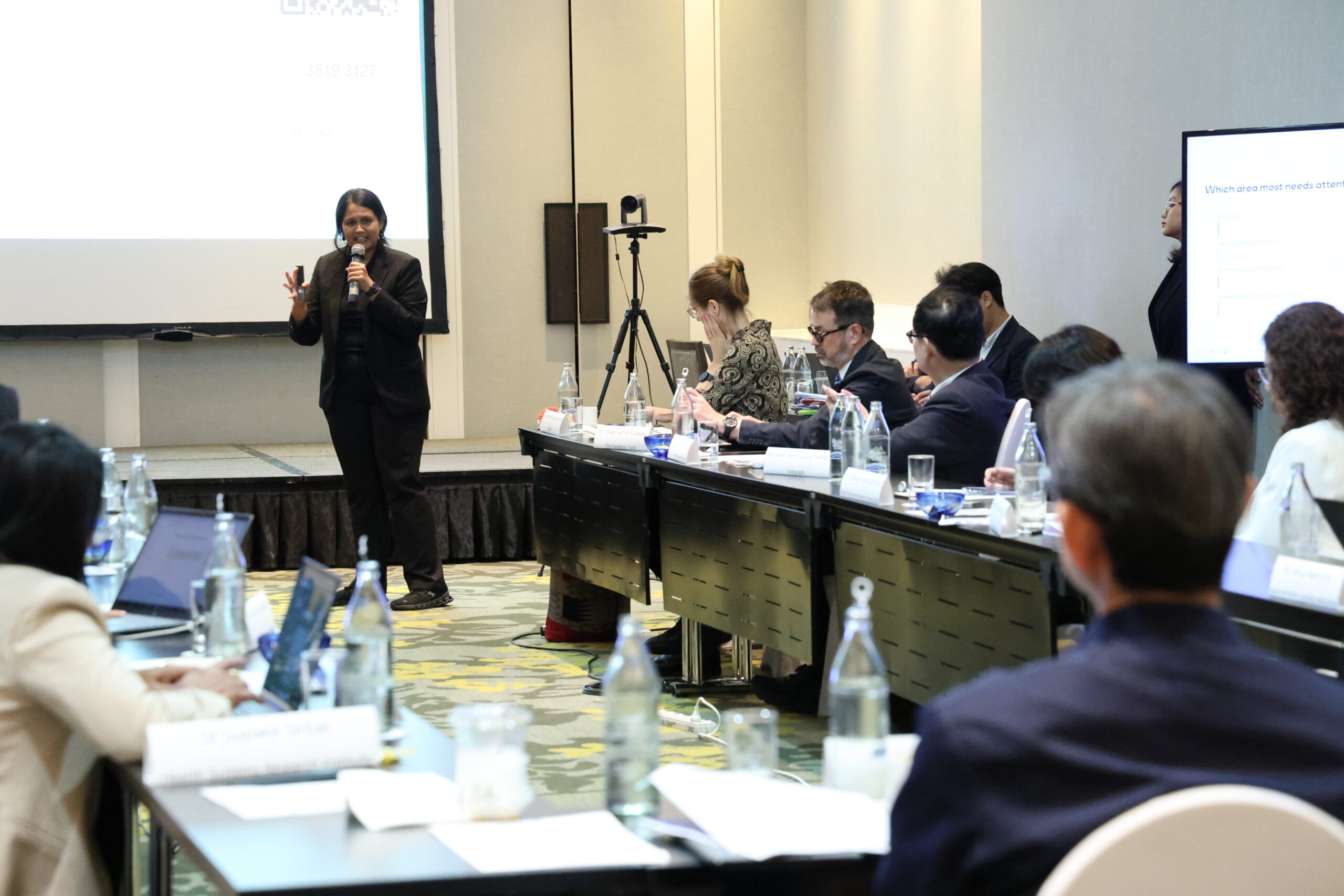
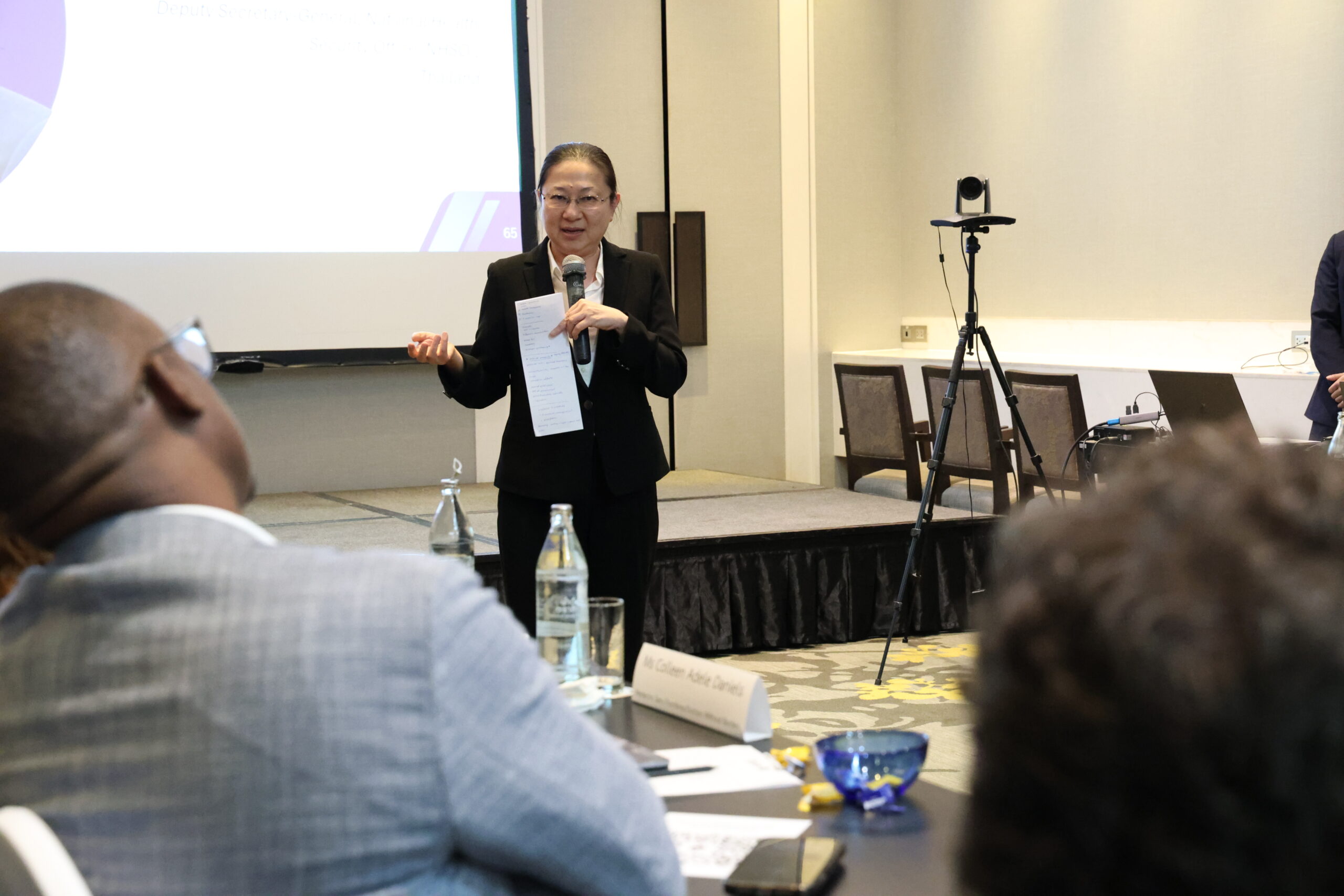
Manit Sittimart (HITAP) provided an overview of supply-chain vulnerabilities and procurement approaches, and Chayapat Rachatan (HITAP) presented findings from a pre-dialogue online survey that highlighted an appetite for regional collaboration. During the open discussion, facilitated by Chalarntorn Yothasmutra (NHSO) and Saudamini Dabak (HITAP), participants reflected on how different shocks require different policy responses, and the potential value of a common taxonomy. They also emphasised the need to address routine health system vulnerabilities in LMICs, where access to essential health products and primary healthcare remains challenging.
Participants highlighted the importance of sustainable financing, political commitment, trust and accountability, alongside better coordination among stakeholders with different mandates and capacities. Discussions further explored opportunities to strengthen regional collaboration in response to shared challenges, including through coordinated procurement and production, as well as regulatory reliance to facilitate faster access to health products, particularly in light of evolving global dynamics, including calls for closer engagement among participants present. Ian Milimo from the United Nations Development Programme (UNDP) then led a session focused on identifying the way forward, highlighting the importance of knowledge exchange and sharing experiences.
The event concluded with closing remarks by Dr. Walaiporn Patcharanarumol, Deputy Secretary-General of NHSO, who emphasised the importance of identifying priorities at national, regional and global levels, building on existing platforms, and strengthening governance and accountability to ensure that resources are used wisely for the benefit of the public. She encouraged participants to sustain the network and continue the dialogue beyond the event.
The dialogue forms part of HITAP’s ongoing Strengthening Thailand’s Essential Medicine Supply Security (STEMSS) initiative. Its findings will inform a report and proposed actions to support regional cooperation in the procurement of and access to medicines and other health products, with the aim of strengthening health system resilience and ensuring continuity of essential health services.
About HITAP
HITAP is a research institute working closely with the Ministry of Public Health and public health institutions in Thailand as well as partners internationally to generate evidence, strengthen capacity and partnerships to inform health policies.
Media contact
ELVE: [email protected]