

Interventions to reduce health impacts of air pollution in Bangkok



End : 1 April 2025
Interventions to reduce health impacts of air pollution in Bangkok
About Project
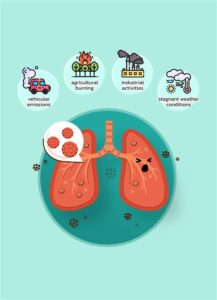
Air pollution remains one of the most significant public health challenges of our time, with fine particulate matter (PM2.5) posing severe threats to vulnerable populations—particularly young children, the elderly, and those with preexisting health conditions. In urban centers such as Bangkok, where vehicular emissions, industrial activities, and meteorological factors converge, the complexity of managing air quality demands evidence-based, community-focused, and scalable interventions.
This project, commissioned to support strategic planning for the National Health Security Office (NHSO) and the Bangkok Metropolitan Administration (BMA). The project aims to identify short-term and long-term community-level interventions to reduce the health impacts of air pollution in the Bangkok Metropolitan Area, and to assess the effectiveness, cost implications, and feasibility of implementing these interventions. The project activities consist of a rapid literature review, surveys, expert interviews, and stakeholder consultations.
Therefore, this project serves as a strategic resource to support evidence-informed policy decisions, guide investment priorities, and shape implementation at both local and national levels for the short and long term. We hope this project will serve as a robust foundation for continued evidence generation, cross-sector collaboration, and active public engagement in environmental health.
This project is funded by Thailand Science Research and Innovation (TSRI) and the National Science, Research and Innovation Fund (NSRF) via the Program Management Unit for Human Resources & Institutional Development, Research and Innovation [B41G680024].